Author: Jack Sharpen
What is St. David’s Day?
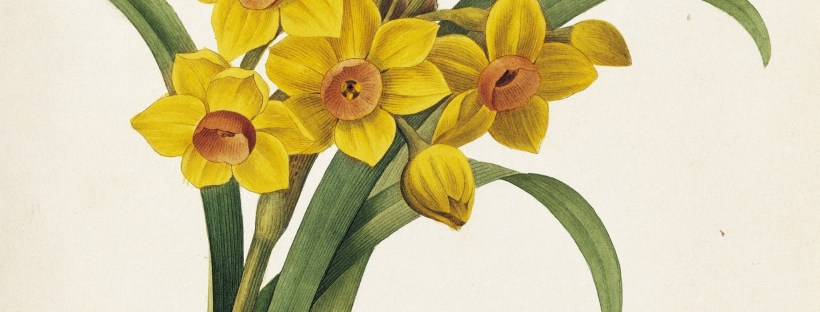
When it comes to public holidays for patron saints within England, our celebrations are duly absent. Many Christian-majority countries hallmark these as a national holiday for traditions and culture, and none more so than our Celtic neighbours. Whilst a certain saint in March is also widely heralded across both the Irish and Atlantic ponds, today marks the feast day of St. David, the only British patron born within his country’s borders. This 6th Century vegetarian monk is deeply embedded within Welsh identity, from the symbolic use of the leek to the foundations of Britain’s smallest city. St. David’s Day spreads all the little Welsh things found in wearing daffodils, cooking cawl and cracking out a traditional Welsh choir.
“Be joyful, keep the faith and do the little things that you have heard and seen me do”
Translation of St David’s final words
Wales? What, Where?
The land of Cymru is steeped in history and myth. Arising from the britons’ resistance to Roman occupation (think Boudicca), King Arthur’s epics against early Anglo-Saxons invaders embedded a fiery spirit within the country’s DNA. This is perfectly illustrated by the red dragon depicted on the Welsh flag, with its origins as the Welsh dragon’s eventual victory over the English dragon representing Wales’ unconquerable spirit.

Although eventually annexed by English rule in the late 13th century, this was not before it had required over 600 castles to be built to subdue and administer the local populace, making it the most castle-dense country in the world. Combining all this with its glorious scenery and unique language and literature, not excluding the Eisteddfod festivals witnessed for nearly a thousand years, can make anyone dust out their family tree for a celtic connection, all the while trying to darn a welsh hat and chomp down on some Bara Brith.
The Welsh Effect in Manchester
Due to its neighboring locality, Welsh and Mancunian history have long been intertwined, with Arthurian legends even appearing at Alderley Edge. As a center of trade, Manchester city records show a strong Welsh community has been rooted since the 16th Century. David Lloyd George, the only Welshman to be Prime Minister and speak Welsh as his first language, was born in Chorlton-on-Medlock, and the settlement of northern Welsh migrants was a boon in both Manchester and Liverpool’s industrialisation.
Nowadays, Welsh influence has seeped across Manchester: the Manchester Welsh community can be often found at the Presbyterian Church in West Didsbury; many restaurants serve classic Cymraeg cuisine; and it’s easy travel access by train provides the ideal weekend getaway to the scenic landscapes of North Wales, from Snowdonia to Moel Famau. Within the university itself, you’ll find our own Welsh Society, who are often spotted as a sea of red jerseys and celtic passion at the Students Union or Turing Tap during the Six Nations.

And lastly, whilst thinking fondly of this mesmeric part of Britain, it’s always good to reflect:
Gwnewch y pethau bychain mewn bywyd
Photo Credits: Sarah Cüpper
Discover more from Research Hive
Subscribe to get the latest posts sent to your email.
 Research Hive