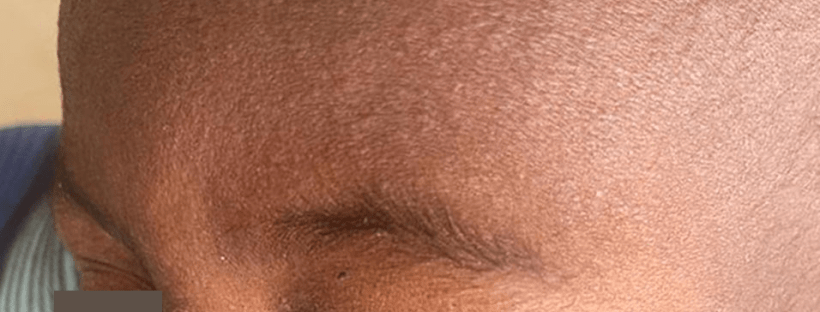
Author: Aksam Ssebugwawo // Editor: Erin Pallott This post is part of a series of work experience projects with T-Level students from The Manchester College. At Research Hive, we have been thrilled to work with young people to produce their first written pieces. Did you have measles in your childhood? Measles is one of my … Continue reading Measles: The Long and Short-Term Effects
Category: Research
What Counts as Good Evidence? Making Sense of Digital Mental Health Trials
Author: Alexia Jeayes // Editors: Emily Barrett & Federica Spaggiari We often assume that more research in digital mental health means better answers... But what if it isn’t giving us the answers we need? The evidence researchers generate must be relevant, transparent, and shaped by the needs of everyone who relies on it to make … Continue reading What Counts as Good Evidence? Making Sense of Digital Mental Health Trials
The buried truth about body farms and scientific lessons from decay
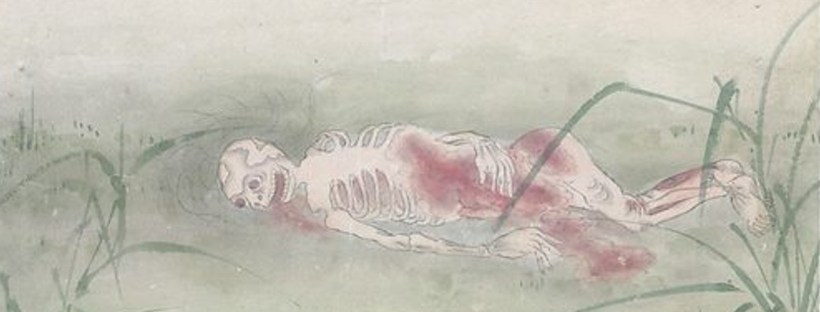
Author: Cherene de Bruyn // Editors: Erin Pallott & Sarah Klingberg Cover image: Kusozu: the death of a noble lady and the decay of her body. Watercolours. Credit: Wellcome Collection Attribution Creative Commons Attribution (CC BY 4.0). Source: Look and Learn Forensics of Death, Decay and Decomposition Like many people, my first introduction to forensics … Continue reading The buried truth about body farms and scientific lessons from decay
Why So Bitter? The Science of Why People Love or Hate Coffee
Author: Nina Wycech // Editor: Nithya Eswaran I take my coffee black, my whisky neat – Hozier and I have that in common. Not everyone would agree with us, for some, this is madness. Why can’t some people handle the bitter taste of coffee, whisky or tonic water? The sensitivity to bitter flavour is genetically … Continue reading Why So Bitter? The Science of Why People Love or Hate Coffee
Polygenic risk scores: calculating the likelihood of complex diseases
Author: Nina Wycech // Editors: Neve Diggle and Emily Barrett Even if you are not studying science, you have likely heard about genetic predispositions. We intuitively assume that we’re more likely to experience a disease that our ancestors had. Although not always true, many conditions run through generations, such as autism spectrum disorder (ASD), attention … Continue reading Polygenic risk scores: calculating the likelihood of complex diseases
Proton Therapy: Precise Cancer Treatment at What Cost?
Author: Emily Barrett // Editors: Federica Spaggiari and Sophie Alshukri What does the word ‘radiation’ make you think of? In physics, the definition is broad: Any kind of emission of energy as electromagnetic waves or moving particles, including the light we use to see. But for many people, ‘radiation’ is synonymous with ionising radiation, with … Continue reading Proton Therapy: Precise Cancer Treatment at What Cost?
What’s Hiding in Your Cosmetics Bag? A Closer Look at Parabens as Endocrine Disruptors
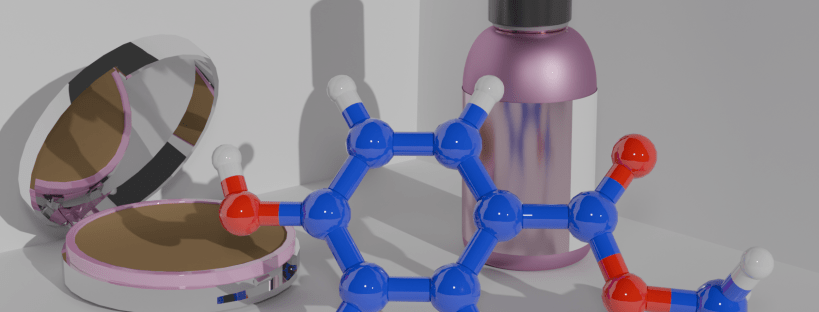
Author: Dalia Aziz // Editor: Nithya Eswaran You have likely come across the term “endocrine disruptor”, particularly on social media, which got me wondering - what is an endocrine disruptor? How do they work, and are they truly as harmful as people say? According to the Endocrine Society, there are nearly 85,000 synthetic chemicals in the … Continue reading What’s Hiding in Your Cosmetics Bag? A Closer Look at Parabens as Endocrine Disruptors
Navigating the PhD journey amid prolonged conflict: Challenges, growth, and resilience
Author: Osman Khaleel // Editor: Cherene de Bruyn Cover image from Pexels *Archaeology: The study of past human cultures through the material culture (artefacts) left behind. *Lithics: Archaeological artefacts made from stone, including hand axes, scrapers, projectile points and knives. *Cataracts: Areas on the Nile between Aswan and Khartoum where the water is shallow. BACKGROUND Growing … Continue reading Navigating the PhD journey amid prolonged conflict: Challenges, growth, and resilience
Have you heard about UK Biobank?
Author: Nina Wycech // Editor: Erin Pallott The time has come for me to start my Master’s project in Bioinformatics, and to do so, I need a big dataset ready to analyse. But how do I get it in time, and most importantly, without collecting it myself in the clinic? Thankfully, there is a shared … Continue reading Have you heard about UK Biobank?
Storytelling for Scientists: When You Need it and What to Do
Author: Zoe Chernova // Editor: Erin Pallott “People think that stories are shaped by people. In fact, it’s the other way around.” Terry Pratchett Our whole lives are stories. We tell them to our children, read them in books, and can't tear ourselves away from TV series precisely because we love stories. Our minds are … Continue reading Storytelling for Scientists: When You Need it and What to Do