Author: Subhajit Nath // Editor: Erin Pallott
You know how the flu just keeps coming back year after year? Dealing with that virus is like being on a crazy rollercoaster. One minute, you think you’ve got it figured out, the scientists have made a new vaccine, and the computer models are predicting the hot strains. Then bam! The virus mutates and changes the game completely. It’s a constant back-and-forth battle to stay one step ahead of this ever-evolving bug.
But I’ll give it to the public health experts and researchers – they never give up. Every year, they’re studying the virus’s genetics, crunching the numbers, working their tails off to forecast where it’s headed next. These folks are absolutely determined to outsmart the flu, no matter how many curveballs it throws. It’s an uphill fight for sure, but they keep pushing through. Honestly, I have so much respect for their grit and perseverance in protecting us from infectious diseases, and obviously, talk about an endless grind!

Think of the flu virus (Influenza) like a big, complex tapestry. All those delicate genetic threads woven together – that’s what determines how the virus generally behaves and spreads from person to person. Scientists are like artisans who carefully study and untangle those genetic patterns in different flu strains. They’re tracing the virus’s whole evolutionary journey by looking at its genes up close. With modern gene-sequencing tech, we can really dive deep into the flu’s genetic makeup. Getting that level of understanding helps us stay one step ahead of the clever little troublemaker. We can anticipate its next moves and be prepared to defend against potential threats from new strains.
The flu is a master of adaptation, right? Imagine the flu virus is like a sneaky little creature that loves to play dress-up. It’s always changing its costume to trick our bodies and hide from our immune system, which is like our body’s security personnel. It keeps trying on different clothes (that’s like changing its genetic code) until it finds an outfit that lets it sneak into a human body without getting caught. When it finds the perfect disguise, it can jump from the animal to a person. Remember when you heard about bird flu or swine flu? That’s exactly what happened! The flu virus that usually lived in birds or pigs put on a special costume that let it trick human bodies too. Scientists are like detectives who study these costumes. By looking closely at the flu‘s disguises in animals, they can guess when the virus might be getting ready to jump to humans. This helps doctors prepare and protect people before the sneaky virus can cause trouble. So, the flu is always playing dress-up, and sometimes its new costume lets it jump from animals to humans. That’s why it’s important for scientists to keep watching and studying the flu‘s changing disguises!
Public health officials can then tailor their strategies to the ever-changing infectious disease and be one step ahead of the flu’s evolution game. Disease-predicting strategies exist such as CDC’s FluSight program. This aims to predict flu activity before it occurs (based on hospital admission of patients). Also, methods like ARGO combine electronic health records (EHR) and internet search data with historical flu activity to improve prediction.
Being able to forecast disease trends is like having a crystal ball for public health. It sheds light on what’s coming down the pipeline, allowing us to gear up and respond effectively to influenza outbreaks before they spiral out of control. Scientists have some nifty models and real-time data analysis techniques that basically let them predict how flu epidemics might play out. With this foresight, we can take proactive steps to minimise the impact and protect communities.
The proactive measures include:
- Early intervention through disease forecasting, where health authorities can plan targeted vaccination campaigns. Vaccination helps prevent disease spread and reduces severity.
- Public Health messaging may also be used to adjust people’s behaviour, like avoiding crowded places and promoting hand-washing with soaps.
- Resource allocation via healthcare preparedness and stockpiling supplies also helps during peak flu seasons.
- Finally, Surveillance and Monitoring along with Travel Restrictions and Quarantine will also help in controlling an epidemic.
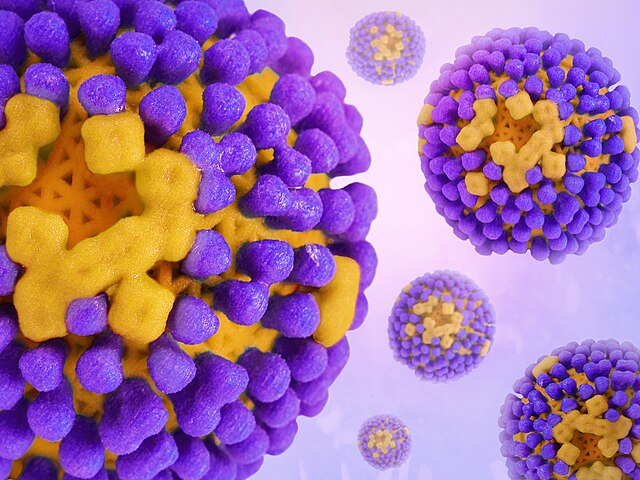
Combining genomic data with these forecasting capabilities gives us a serious advantage in staying one step ahead of the virus and, in turn, save lives. Genomic data, such as the evolution of a virus in terms of time helps us understand in what way it’s evolving so that we can target or block certain receptors or genes and plan a way out of this maze. Antigenic drift, a technique the flu virus uses to create varied copies of itself every year, can be analysed early with the help of the data. With that, we can design and develop new flu vaccines (or maybe one day – a UNIVERSAL FLU VACCINE!). Other than these, antiviral resistance prediction and tracking of transmission chains can be done with the help of genomic data of a virus.
However, there are a few hurdles, like delays in data reporting, the need for diverse cohort data and the complicated nature of how viruses evolve and mutate. These challenges are kind of like storm clouds on the horizon. But, just like seasoned sailors, who are brave with grit and determination, scientists are committed to enhancing the accuracy of these forecasting models. By tackling these obstacles head-on, we’re fortifying our defences against the ever-changing threat of influenza epidemics. The path forward may be winding, but with perseverance and innovation, we’re equipping ourselves with powerful tools to monitor and respond to flu outbreaks more effectively. It’s an exciting frontier in public health.
When faced with the unknown, innovation becomes our guiding light – our beacon of hope in the fight against influenza. Programs like the FluSight Network and the CDC’s forecasting challenges show we’re committed to using predictive analytics to make smarter public health decisions. By thinking outside the box and tapping into the power of genomics, we’re paving the way for a future where infectious diseases don’t stand a chance against our resilience and ingenuity.
As Dr Neil Ferguson from Imperial College London put it: “Genomics revolutionised how we monitor new flu strains and assess their pandemic risks, allowing us to prepare and respond more effectively.” We’re riding the waves of flu season, but genomics, forecasting, and public health readiness are our surfboards. We’re entering a new era of disease preparedness. By joining forces, embracing new ideas, and learning from the past, we’ll meet the threat of influenza head-on with knowledge, planning, and unwavering determination. The journey of scientific discovery is as important as the destination. Together, we’ll navigate towards a future where infectious diseases are no match for our resilience, creativity, and commitment to protecting public health.
In this blog, we’ve voyaged through genomics, disease forecasting, and the battle against the flu. Just like sailors braving the seas, scientists are charting a course to make the threat of influenza a distant memory through resilience and innovation. Let’s keep on exploring, discovering, and start creating that future.
Discover more from Research Hive
Subscribe to get the latest posts sent to your email.
 Research Hive