Why do people have to be this lonely? What’s the point of it all? Millions of people in this world, all of them yearning, looking to others to satisfy them, yet isolating themselves. Why? Was the earth put here just to nourish human loneliness?
– Haruki Murakami, Sputnik Sweetheart
Author: Jason Chu
The epidemic of loneliness is growing with recent studies showing that as many as 5% of adults in England “always or often” feel lonely, with the highest prevalence found to be those in the 16-24 and 25-34 age brackets.
Loneliness isn’t even about the number of friends or people you talk to. It’s a state of mind and a feeling within yourself. You could be surrounded by people, yet feel completely unsupported and isolated.

Loneliness can lead to a lack of motivation to eat healthily, exercise, work and socialise. You find yourself more prone to rejection. You feel more threatened by your surroundings. You just put up a cold shoulder more readily. This can put off your peers and give the impression you want to be avoided. And so, this unhealthy cycle continues.
Loneliness and your mental wellbeing can be closely linked. Having a mental illness may make you feel lonelier, and vice-versa, feeling lonely can negatively impact your mental health. Not only that, it can also have implications on your physical health. Studies have shown that the effect of loneliness on mortality is comparable to that of obesity and smoking.
It’s likely that all of us have had our own short spells of loneliness when we’re in a low-point. All we want during these times is to wallow in ourselves. We might be invited for drinks, to go to a work party, or some sort of social event. But then thought. Nah. Not for me. I can’t be bothered. I don’t want to. It’ll be awkward.
These social interactions are important for our health. Talking, eating, drinking and sharing with others, even for just 5 minutes can be beneficial. Spending time with others is necessary for our social nourishment.
Passing on these small opportunities can often be too easy. It reminds me of a frighteningly realistic excerpt from the recent bestseller, “Eleanor Oliphant is Completely Fine” by Gail Honeyman.
On Fridays, I don’t get the bus straight after work but instead go to Tesco Metro around the corner from the office and buy a margherita pizza, some Chianti and two big bottles of Glen’s vodka. When I get home, I eat pizza and drink the wine. I have some vodka afterwards … I drink the rest of the vodka over the weekend, spread it throughout both days so that I’m neither drunk nor sober. Monday takes a long time to come around.
This is clearly the unhealthy behaviour of our not so fine fictional character Eleanor Oliphant, who feels a sense of comfort by socially isolating herself from others during the weekends.
There is also the additional problem of acknowledging your loneliness. It’s a scary thing to admit. It’s been reported that women are more likely than men to admit they feel lonely. Additionally mortality associated with loneliness has been found to be more prevalent in men. This highlights another social issue about the “manly” psyche. Men are typically discouraged by societal norms to express their emotions.
So on this note, I’d like to make a heart-warming mention to this year’s series of Love Island (I know it isn’t everyone’s cup of tea). There was a particularly wholesome moment when a contestant, Jack Fowler, was opening up with some of the other guys about the lonely aftermath of heartbreaks they had suffered through. He highlighted how refreshing it was to be able to share his feelings and experiences so frankly with his fellow male housemates.

This growing problem of loneliness is far from being addressed but steps have been made. Political interest in this epidemic has led to the publication of the Jo Cox Commission on Loneliness and the appointment of Tracey Crouch as our country’s first Minister for Loneliness. Her personal experiences will no doubt be informative to tackling this sad reality in modern life.
There are lots of big picture actions in motion to deal with loneliness, with national strategies to improve how to report issues, catalyse community funds and integrate businesses. However, we can make small efforts to tackle it ourselves. It’s not easy, and all we can do is try.
- Admit to yourself if you feel lonely.
- Build your self-confidence. Focus and appreciate yourself before seeking friendships. Think about what you like about yourself, and what you’re comfortable with.
- Find something you feel passionate about then find an activity or outreach that fits with that interest. Maybe you’re sporty, you like video games, or the great outdoors. Or fancy a new activity like dance, language, or volunteering. There’s a group out there for you!
- Put yourself out there. This can feel like the most difficult one. All you can do is be bold and try. Like Wayne Gretzky said:
You miss 100% of the shots you don’t take
- Change your perception of the world around you. If someone says they can’t meet you, don’t take it too personally as a rejection. It might just be that they have other things going on in their lives. Attributing failures to yourself rather than circumstances is a major downfall of loneliness.
- Be willing to let your guard down. It’s scary, and you don’t know what the outcome will be. But you never will unless you let someone in.
And for those of you who don’t consider themselves lonely. You can help out. Happiness can be infectious! Whenever you’re out at the pub, thinking about a coffee run, or heading to a work do think about someone you haven’t heard from in a while.
Reach out, and give them a shout.
It will mean a lot.
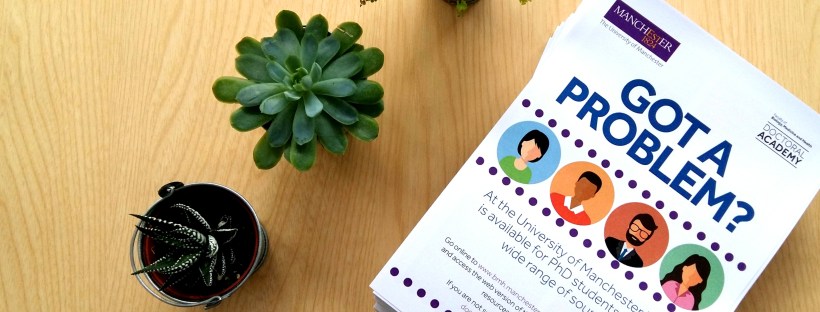
Check out the resources available at the University of Manchester.
Discover more from Research Hive
Subscribe to get the latest posts sent to your email.
 Research Hive
One thought on “Lost in Isolation”