By Nadine Mirza
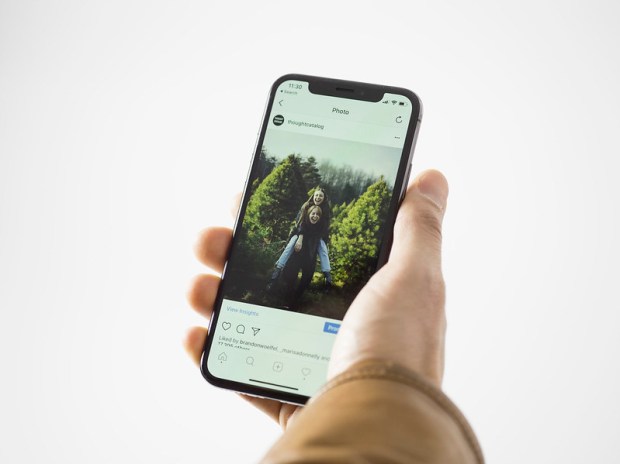
Where sci comm and social media meet is an intersection of opposing and loud opinions. There are academics who prefer not to engage with the public, believing it takes us away from our labs where “real science” happens. Millennials, with our filters and emojis, are a threat to serious science. And Instagram is our weapon.
There’s also the understanding that Instagramming one’s science arose because it showed that *gasp* women do science too. This movement, which also highlighted women of colour, was praised but questioned over whether it wasn’t just a band-aid over the gaping wound that institutions refuse to address regarding women in STEM. As a woman of colour, daring to be two things, why can’t we also do two things?
I started Instagramming about my PhD as a novice. I didn’t even have an account, having barely grasped Twitter, which has done wonders for my professional life in ways LinkedIn can only dream. But I was just learning about media-based science communication, and its many faces.
Despite my apprehension of managing another app, there was something appealing about Instagram. The idea of posting pictures about my work seemed like a doable form of sci comm I could personalise. Not a lot of initial planning went into it. I started a fresh account, displayed my project logo and acronym (DOME Project), and the acronym became the hashtag that now dominates my life. The first few posts were a natural progression on who I was, what my research is about, sprinkled with some pictures of my building and selfies of me in past and current work, providing context.
Over a year later the account has developed its own identity. A format has emerged, and it acts as a form of branding in the academic world. My posts showcase two related but individual facets: my research on dementia in ethnic minorities, and my PhD experiences.
The first uses posts to explain what dementia is, its prevalence, risk factors, and impact on life, both generally and within ethnic minorities. It means project promotion such as appealing to gatekeepers at community centres and charities. They enjoy rifling through the posts, see the legitimacy of the work, and become eager to assist with recruitment. In turn, I promote their collaboration via pictures and tags. I also highlight products of research, such as academic publications, increasing their reach.
The second literally gives a snapshot of what a PhD could entail: the kind of training I attend, my experiences of conferences and public engagement, the workload, the achievements, and jobs I do alongside it.
My posts are description oriented because the nature of my research means I cannot rely on pictures alone. I don’t work in a lab or with curious materials such as fossils or “space stuff”. My lab is a desk. My materials are paperwork.
This means reliance on words, which seems counter-intuitive. But it’s become a mini blog, where I get creative with pictures, trying to make paperwork look interesting with cups of tea and random plants as aesthetically pleasing accents. Some say this is the height of pretentiousness and it may be why Instagramming science has a bad rep but pretentiousness holds certain benefits: what it does for followers.
The number of followers shouldn’t be the goal but there should be an agreement to convey experiences or knowledge to whoever is listening, even a sole individual. I have a modest following and amongst Russian bots and ad scams people reached out – usually undergrads – who said the account made them consider a PhD. Others said they came across it before starting their PhD and it gave insight into what to expect. They took tips or suggestions through the posts, such as using a particular stats book or learning how to make a Gantt chart. This could have transpired in an inflated ego but I’ve been genuinely surprised by the responses. They have been few but special.
I call that a solid win in terms of impact.
And my research has gained momentum. One of the biggest things researchers are asked to justify is why our research is important. This account has shouldered the burden of that question. I’ve had acquaintances, friends, family, and utter strangers tell me that because of it they finally understood what the problem is and why the research is needed. And that’s the point of sci comm.
It’s also an effective vent. I don’t bare my soul but I’ve used posts to describe when this PhD tested my patience. I’ve tried to keep this realistic because in the past it helped to see other equally defeated PhD students be open about what they’re going through. It made me feel less alone, less susceptible to Imposter Syndrome, this representation of struggle. I return the gesture to dismiss the myth of the infallible academic.
The account also acts as a motivator to Get. Work. Done. Does it mean I only do things for the photo opp? I personally choose not to post stuff that over exaggerates the work done, or if I haven’t fully participated. I also insist on wanting to do what I post about.
This means Instagram has become a record of my progress. I have casually pulled it up in meetings or when networking. I’ll remember “Oh! I posted about that!” and scroll to find the reference and bam – portable portfolio.
How you design and run this web-based resume is up to you. My experience is hardly the cookie cutter standard. How one chooses to run an Instagram account will be dependent on their field, their commitment, the audience they want to target, and the audience they actually end up with.
Not everyone posts often. I foolishly committed to daily posts and that’s not sustainable. Some days I’m travelling to conferences, presenting to others, running a stall, and you get a lot from that. Some days I’m holed up in my pyjamas writing a thesis chapter. Nothing renders visually so I won’t post. But I’ll save a backlog of potential posts and spread them out across days.
There are standards that do apply to everyone; knowing what not to post, such as people you don’t have permission to identify or work that shouldn’t be made public, getting familiar with big research and academic accounts broadly and relevant to your field and using and abusing hashtags. #phdlife is your bread and butter.
Many people might read this not wanting to start because they feel it’s been done to death or your work will just be lost in the shuffle. That is a possibility and you may have to adjust your expectations. But understand that sci comm is about producing impact and the magnitude and nature of that impact doesn’t trump the existence of impact. And through Instagramming about my science I’ve been privy to that impact.
Website: https://thealmostpsychologist.wordpress.com/
Photo by Stock Catalog on Flickr
Discover more from Research Hive
Subscribe to get the latest posts sent to your email.
 Research Hive
2 thoughts on “An Instagram a day… Boosting the impact of your research with social media”