By Olivia M
Our homes have become our offices and our offices have become our homes. With this blurring of physical boundaries brought about by a global pandemic, it’s no wonder we’re all struggling with our productivity. Once we’ve cleared the food cupboards of all snacks and have exhausted all other forms of procrastination, that blank sheet of paper (or Word document, or experiment) still awaits us on our return from our raids, staring almost mockingly back at us. So how can we take back control of our home (offices) and avoid getting lost in distractions and falling down the rabbit hole of the internet? There’s no one-size-fits-all solution given our varying circumstances but here are some tips that may help.
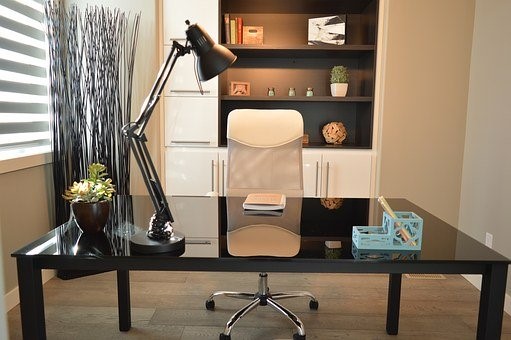
Set up a dedicated (clutter-free) workspace
With work and home lives now so intermixed, it helps to have one area in your home which your brain can learn, through time, to associate with work. Ideally, this should be a desk in a quiet room of the house to avoid the pitfalls of working in bed, where you can easily fall asleep only to wake up several hours later to find that half the day’s gone! If you have a teeny bedroom or otherwise find that space is sparse and don’t have any other choice, a laptop stand (used in conjunction with an external keyboard and mouse) may be useful, so that you’re not hunched over your laptop and inadvertently damaging your posture. Both of these can easily be ordered off Amazon (linked above). A tidy environment is conducive to a tidy mind, which will cultivate clarity of thinking and reduce stress. Similarly, dressing as if you were heading onto campus will put you in the right frame of mind to work, even if you’re about to spend all day at home. So, whatever you do, get out of your PJs!
Identify your strengths
Ask yourself “When do I work best?”. Are you a night owl or an early bird? Now that the commute is out of the question, one silver lining is that we can more easily adapt our days to fit us and when we’re most productive. Likewise, do you prefer to plan things using good old-fashioned pen and paper or are you more of a digital duck? Having this self-awareness allows you to plan a structure to your days that suits you and when you operate most optimally.
Develop a routine
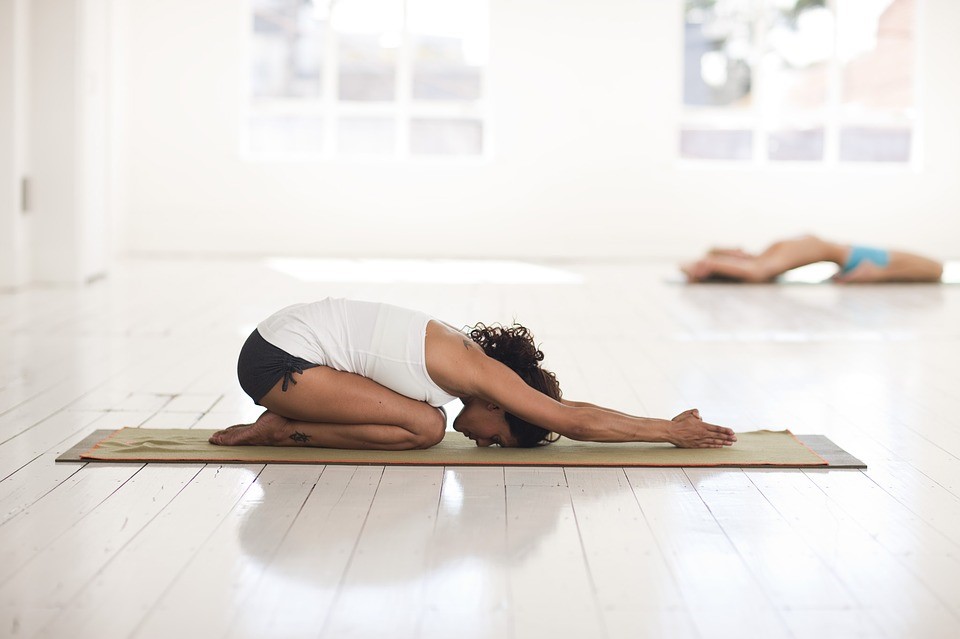
When you know how you work best, roughly plan out how you’ll spend each part of the day. With the world turned upside down, it’s no wonder that some of our sleeping patterns are out-of-whack, our days may vary from wild to wearisome and our motivation has dropped. That’s why it’s important to have a set, regular structure to your days in order to provide a stabilising sense of normality amidst the utter weirdness of a pandemic. Now that we’ve spent so long cooped up inside our homes, it can be so easy to fall into the habit of lounging around all day, isolating ourselves from the rest of the world. Make sure you fit in a walk or some other form of exercise into your day, perhaps in the morning or at lunchtime, as well as connect with people occasionally and make time for yoga or meditation too (if that’s your thing). Yoga with Adrienne contains a series of free yoga videos, which are each adapted for different purposes, so you can follow along from the comfort of your own home. Whether you want to awaken joy, heal stress or work on your lower back and hips from all that sitting down, there’s something for everyone. So, unfurl your yoga mat and be prepared to channel your inner yogi! It may also help to schedule specific times of the day for replying to emails and turning off ‘new email’ notifications. Better still, don’t have your inbox open at all outside the scheduled response times you’ve decided on – emails are the electronic equivalents of marshmallows!
Stick to your usual ‘office’ hours
Try not to work more than you would usually do on campus. You may feel compelled to work more, especially if you’ve not been that productive during the day and you’re trying to compensate but this is a time – more than any other – when we really need to look after our mental health, to care for ourselves and above all, to realise that our lives extend far beyond our PhDs. If we lose ourselves in our work too much, we risk neglecting other aspects of our lives which matter just as much (if not arguably more), like our wellbeing, relationships and hobbies (*hides from supervisor*). If we take any lessons from the pandemic, it should be to slow down and learn to appreciate life in the slow lane rather than trying to keep up in the relentless rat race. Luckily, here at the University of Manchester, we’re big on wellbeing, as evidenced by the 6 Ways to Wellbeing framework. You’ll find a wide range of resources, suggestions and support on how we can all boost our individual and collective wellbeing through connecting, giving, taking notice, being active, being healthy and learning and discovering.
Schedule breaks
Related to the previous point, we’re not robots so we need to ensure we give ourselves time to relax and recharge. So schedule breaks in the daily routine and move around a little in them, whether that’s through doing yoga or a home workout, going for a walk around the block or even just doing a few simple stretches at our desks. Let us take a proper lunch break too. Whereas pre-lockdown, you may have grabbed a quick sandwich to eat at your desk, now that you no longer have the commute cutting into your days, don’t feel guilty for taking the full hour. You deserve it! Perhaps even use the extra time to combine making a nutritious lunch with going for a walk.

Set flexible goals
I think we can all agree that this whole pandemic isn’t exactly what you would class as a ‘normal’ situation. It follows that we shouldn’t expect ourselves to work normally either or to the same productivity levels we held ourselves to before Planet Earth suddenly turned into Planet Corona (personally speaking…….not that I was exactly a bastion of productivity pre-lockdown anyway *ahem*). So when you set your goals for the day, don’t try and accomplish so much as if you were a turbo-charged Sonic….because it’s not realistic and you’ll only be setting yourself up for failure (unless you are indeed turbo-charged Sonic).
Depending on your other commitments, it may be helpful to set a maximum of 3 small, super-specific goals and think about the minimum (most important) goal that you want to achieve, prioritising in terms of importance. This will make it easier by taking the pressure off. Then you can either cross it off or at least make a start on it (but hopefully the former – who knew the satisfaction you could get from drawing a line through a couple of words?) and transfer any unchecked goals to the next day, again ensuring that you don’t exceed 3 goals.
Try the Pomodoro technique
Of course, actually achieving the goals you set is easier said than done. Luckily, this is where the Pomodoro technique comes in. For the uninitiated, this is a productivity ‘hack’ which involves setting a timer for a pre-determined length of time (usually around 30 minutes), which constitutes one ‘Pomodoro’. The creator, Francesco Cirillo, had a tomato-shaped one, hence the name – ‘pomodoro’ means ‘tomato’ in Italian. You then focus exclusively on a piece of work for that amount of time before taking a 5-minute break. Rinse and repeat. After 4 lots of ‘Pomodori’, you then take a longer half-hour break. For maximum benefit, ensure you remove distractions from your environment, for example, by putting your phone on ‘silent’ mode. The good thing about this technique is its flexibility. Baulking at the thought of focusing for a full 30 minutes? Then start small at 15 minutes. It’s amazing how much a ticking clock can focus the mind!

Exercise self-compassion
Finally, and most importantly of all, please be kind to yourself. Look at what you have achieved rather than what you’ve not – see even the completion of small tasks as victories. Regardless of how much or little you accomplish each day, never lose sight of the fact that we’re living amidst a global pandemic on a scale unseen in our lifetimes. As we’ve all experienced, this new reality involves queuing to go inside supermarkets, remembering to wear a face mask before entering any shop and generally keeping 2m from people at all times. These extra precautions and heightened vigilance against a raging, invisible virus can make it feel as though it takes more energy to stay alive! Some of us may also be juggling different commitments, which could include caring responsibilities, while others amongst us may have financial concerns or other worries. It’s a whole smorgasbord of situations and emotions which is bound to take a toll on our lives. So let’s all exercise compassion, not only to each other but also to ourselves – we’re working under exceptional circumstances! As the Dalai Lama put it, “be kind whenever possible. It is always possible.”
Discover more from Research Hive
Subscribe to get the latest posts sent to your email.
 Research Hive