How learning to do nothing is great for your wellbeing, and tips on how to achieve in a busy bee city.
The Prequel
As a kid, my parents taught me a rare skill:
How to be bored.
This was the time when the pinnacle of my home hi-tech was Windows 95 screensavers and printing pics on dial up. Boredom was enthused at family functions, where we children sat on the floor in quiet contemplation as the adults cracked open a bottle of sherry and discussed current affairs. Being the youngest, most hyperactive cousin of an entire millennial set meant the monthly post-meal nothingness was a nightmare, unless it turned to a kid-centric morsel of Star Wars or the new boy-wizard books.
In hindsight, this blank space at family do’s (prerogative means I’ve just been promoted to a chair; take that floor!) has, in hindsight, benefited my wellbeing.
The Big Issue
Fast-forward 20 years and we’re in the heart of the Information Age dogmatised by instantaneous everything. Now, an encyclopaedia of all human knowledge and connections are readily available at our fingertips over breakfast. With this influx of information, our own attention has been economised, and many media mandates are made to monopolise our time.

Information Overload used to be a niche term found in high-stress professions (here’s to you medics), but has now transcended all work, study and socialising scenarios. This is reflected globally, with 2+ hours average social media use being logged daily, to the personal, with 27 tabs currently open on my browser (and this isn’t during a deadline). Without delving into the science wikihole, a quick scholar search shows how digital media affect our neurology, from sleep to dopamine reward pathways and even phantom phone vibrations.
The biggest consequence of this, however, is the downturn associated with our wellbeing. An ongoing YouGov poll shows one third of fellow Brits feel social media has a negative impact on their mental health; this is 2.5x higher than the positive impact. Social media is just one side of the digital dice, with Ofcom statistics indicating that one third of us binge-watch TV at the expense of sleep.
This raises the Catch-22 issue: how do we reduce the pressures of information overload on wellbeing whilst becoming increasingly reliant on it for wellbeing?
The Wellbeing Sequel
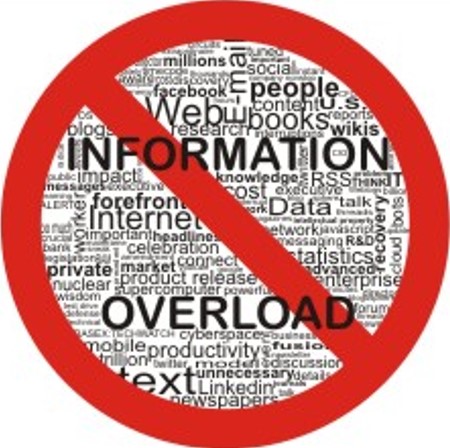
Dealing with the entropy of information overload has sprung up many solutions to answer this Maxwell’s demon. “Digital detox” is a well-honed cliché that is difficult to maintain due to our habitual practices. When choosing the right detox book, sport, music or social, even this can seem overwhelming. Add on top that around 40% of 18-to-36-year olds feel ‘weird because I would not know what to do‘ without their phones for a day, it reverts to scrolling through feeds or binging TV shows. But in that quote lies the key:
Don’t know what to do? Don’t do anything.
Bear with me. I’m not expecting you to sit on the floor staring at specks of dust all evening; I’ve bitten that bullet in front of my Auntie’s sofa. This did train me to accept nothing as being just that. Nothing.
Not only is this the basis of meditation practices and mindfulness, it can also prevent the constant stimulation (and thus pressure) of the digital dive bomb. After becoming so used to sensory overload from our omnipotent technologies, a micro-moment of nothingness has in itself become a challenge. Even the daily calms of commuting or exercise are filled with insta stories, strava stats and an audio backdrop. If you’re not convinced with this rambling, when was the last time you stopped and listened to birdsong? Go for a morning park meander and you’ll be surprised.
A moment of nothingness might already be part of your schedule, being mixed in with a morning shower or well-earned cuppa break. Doing nothing might also be familiar to fellow Dutch/Netherlandophiles too, as their Niksen is becoming the next continental trend, due to reaping its benefits for decreasing stress and reducing burnout.
For me, doing nothing helps bundle my worries into one de-stress ball at the end of every day, and twice on Sundays.
Top Tips for Doing Nothing in Manchester:
How
1. For starters, STOP. Allocate time to drop all devices, switch off distractions, and pause deadlines.
2. Find a comfortable, familiar or well-trodden spot to sit, lean or lie in, avoiding stimuli.
3. Take a deep breath, switch off your thinking cap and just be. This can involve:
Watching the world go by through a window
Daydreaming in a quiet room (don’t fall asleep though!)
4. Make the effort to do nothing and let your mind wander. Take time to rest (trust me it will feel weird).
5. After the time (aim for 30-60 mins to begin with), mentally and physically shake off to restart the normal daily plod.
When
Weekly – Doing nothing can be slotted into the schedule. A Sunday afternoon or Monday morning is a great weekly reset.
Daily – Set aside smaller microdoses each day. A “micro-null” (trademarked) is a great 15-minute pause. This is easily done over meals: Focus on eating only and not gadgets, gizmos or other pesky humans.
· Where
The key is a non-work area. This can be at home for maximum comfort, but Manchester has some great places to do nothing:
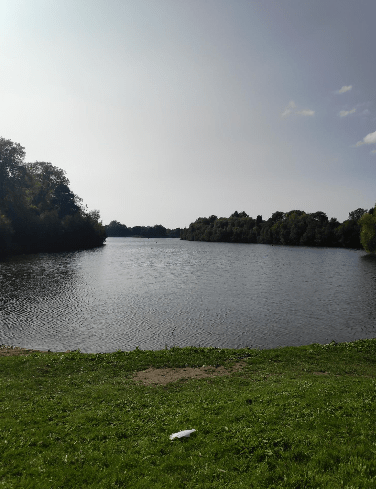
Parks – Find a sitting spot in Platt Fields, Birchfield or (my favourite) Debdale Park. If you have the transport and time available, venture further on a weekend to the national parks nearby.
Cafés – Bar further lockdown rules, cafes and small restaurants are perfect to do nothing over a brew. My favourite spot is Caffé Nero in Piccadilly Garden for its perfect blend of location and calm-in -the-storm feeling.
Combine with:
Household Chores – cooking, cleaning and monotonous tasks are a great way to work on nothing.
Get creative – letting the mind wander can sometimes have the reverse effect and bog you down. Distracting with small and familiar creative tasks like sewing, drawing, playing music, writing poetry or even blogging can help facilitate the slide into niksen.
So, what are you waiting for?
Stop.
Do Nothing.
By Jack Sharpen (@SharpenJ)
Discover more from Research Hive
Subscribe to get the latest posts sent to your email.
 Research Hive
One thought on “Sound of Silence: the benefits of doing nothing”