By Leoma Williams
It’s that time of year again… that’s right, lockdown! In addition to zoom quizzes and binging netflix true crime docs, lockdown means lots of outdoor socialising and wandering through green spaces. Luckily Manchester is currently in glorious autumn colour and, when the rain abates, you can’t beat a stroll through one of our peerless city parks, fire-hued leaves crunching underfoot, eyes peeled for the surprisingly abundant local wildlife.
Fletcher Moss Park
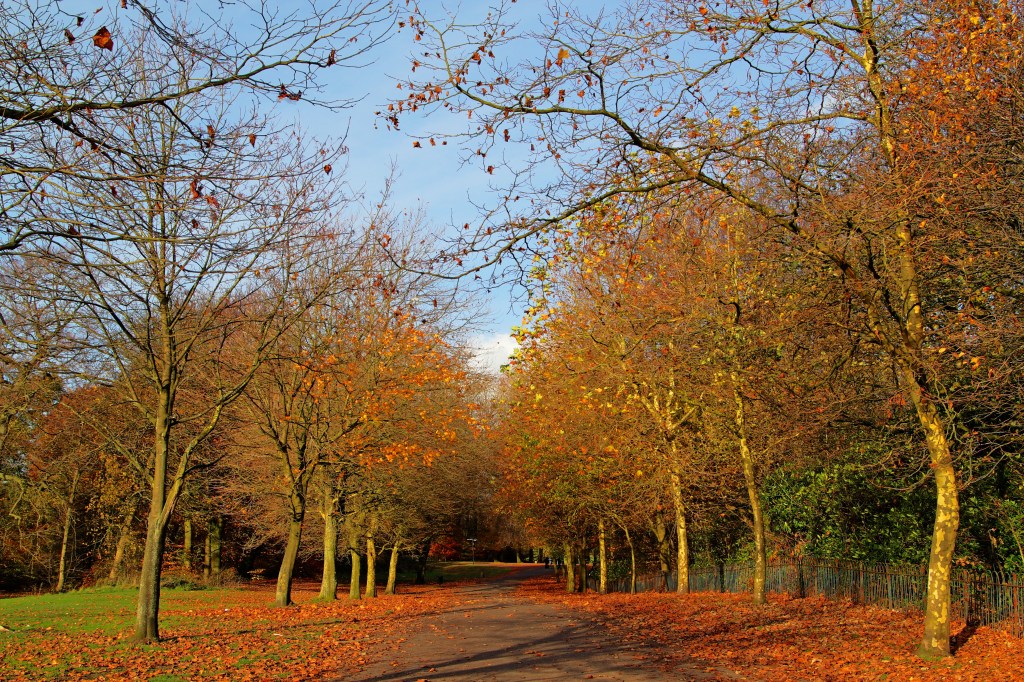
Although at its very best in the height of spring, when in full riotous bloom, Fletcher Moss is nonetheless very fetching in it’s autumn suit. Located at the southern end of Didsbury, this combination of botanical garden, woodland, and riverside is a lovely place to stretch your lockdown-stiffened legs. The large variety of unusual, international tree species in the planned rock-garden make it a particularly good place to see the changing of the seasons. Expect to see the full spectrum of autumn colour, from deep reds to vibrant mustard yellows. In terms of fauna, blue-tits, great-tits, and dunnocks are all residents of the park, and if you are lucky you may even spot (or at least hear) a greater-spotted woodpecker in the woodland area.
Heaton park
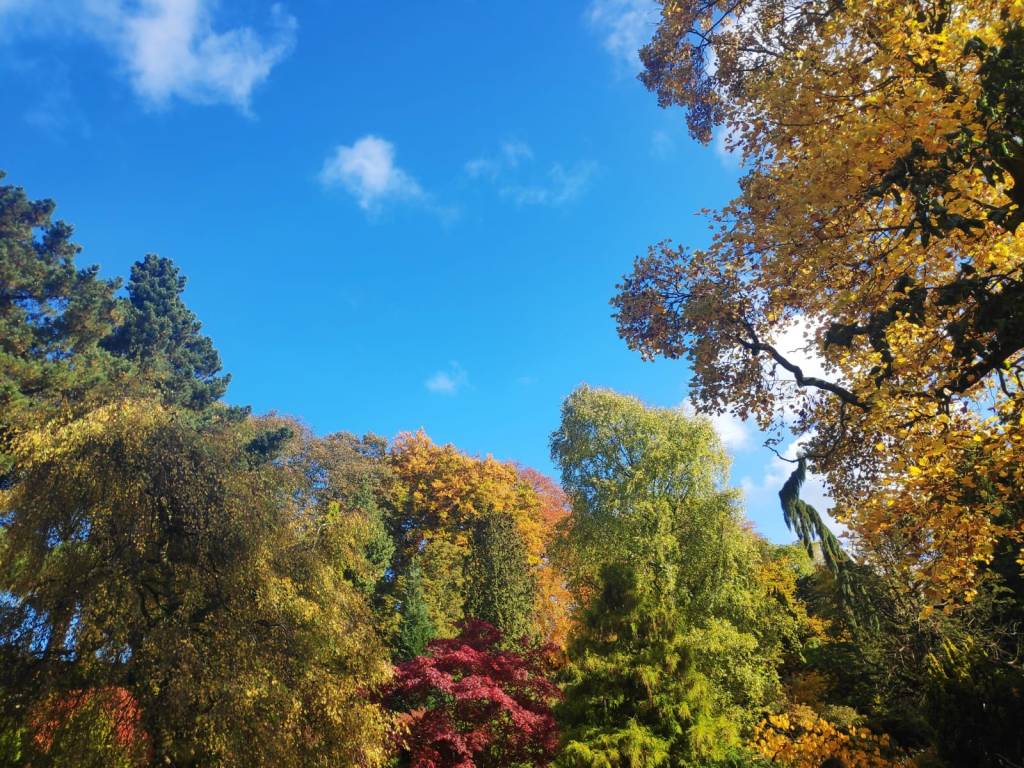
If you live in North Manchester, Heaton Park is definitely the place to go. At a vast 640 acres it’s the largest municipal park in Europe! As such, there is plenty of space to maintain the all-important social distancing, as well as many different habitats for wildlife. In and arounds the boating lake you can expect to see a large variety of charismatic waterfowl, including mute Swan, Grey Heron, Tufted Duck, Greylag Goose, and Great Crested Grebe.
Aside from birdlife you may see rabbits, shrews, wood mice, and an abundance of squirrels. Additionally, when it’s not closed due to COVID (big sad) Heaton park has a very lovely and bucolic animal centre, where you can gaze at pigs, sheep, goats, and chickens to your heart’s content. However, by far the most numerous animal species at the park is man’s best friend. If you are a dog lover, or are lucky enough to own your own, this is the place for you, as it is hugely popular with dog walkers. Adorable hounds of every breed abound!
Reddish Vale Country Park
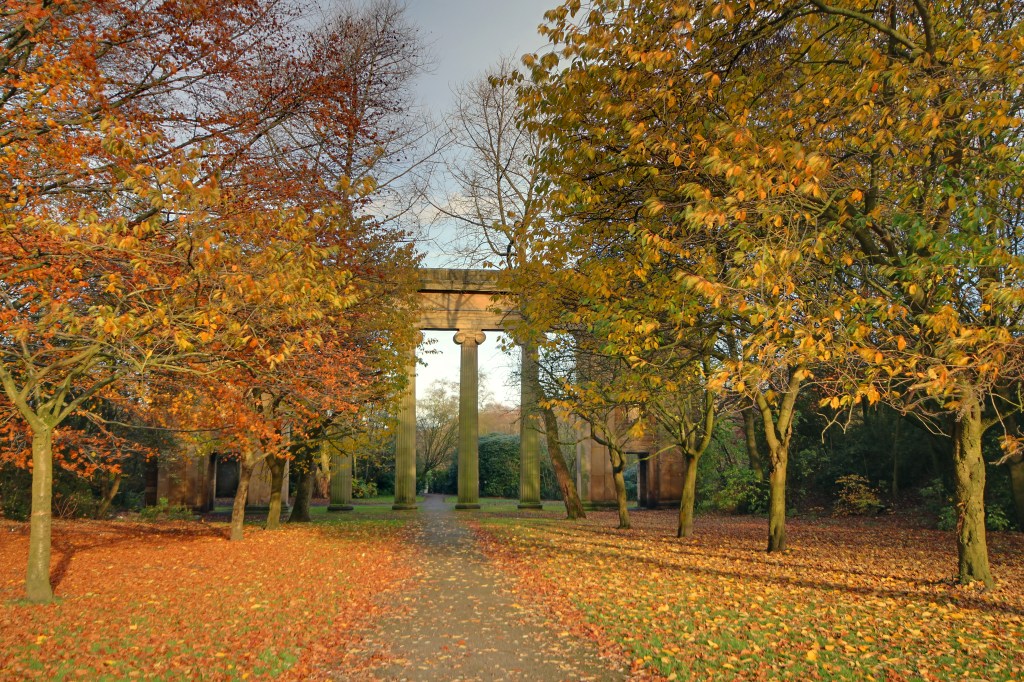
Located on the border of Manchester and Stockport, Reddish Vale is an unexpected oasis amidst suburban sprawl. Covering 161 hectares of the Tame valley and containing five Sites of Biological Interest, it is a must for any nature-loving mancunian.
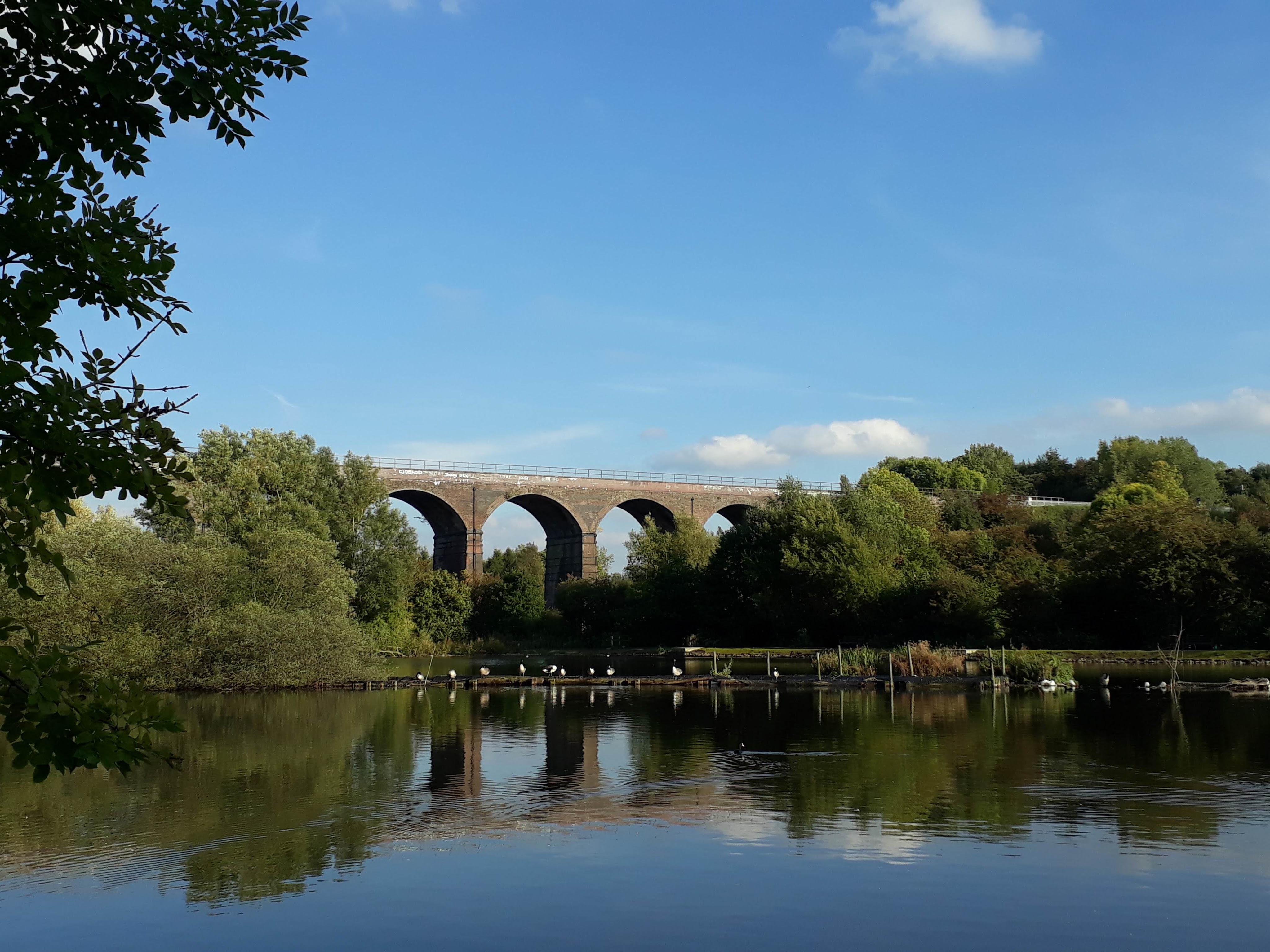
Once you enter the park you could almost believe you were deep in the countryside – if it weren’t for the high-rises of stockport on the horizon. Previously the site of a calico printing works, reminders of the area’s industrial history can still be seen in the two large mill ponds and the imposing viaduct that looms over them. The ponds are now host to an impressive variety of birdlife, from the beautifully plumed great crested grebes, to handsome grey herons. This is a perfect spot if feeding ducks is your thing.
Once you’ve exhausted your birdseed supply you can take a stroll along one of the many winding woodland paths, either following the river or the old railway tracks. Keep a lookout for tree-creepers, nuthatches, and woodpeckers flitting through the trees as you do. If you are very lucky you may also get to see the roe deer, mink, and weasels who also call the park their home.
Reddish Vale is a place you can come time and time again and always discover some new path, pond, or secret pocket.
Blackley forest
Secreted away in the densely populated north of the city, Blackley forest is a true unexpected gem. Containing an attractive mix of habitats, including mixed deciduous forest, unique heathland, and charming lily ponds, this urban escape offers particularly good wildlife-spotting opportunities. Four bat (including both Britain’s smallest and largest species), 30 bird, and 241 plant species can be found here! In terms of mammal-life, voles, wood mice, hedgehogs and shrews can be seen loitering in the undergrowth, and you may spy a crafty fox trotting through the trees as day turns to dusk.
At this time of year, a mosey along the meandering path of the River Irk that runs through the park, looking out for colourful autumn mushrooms is highly recommended. If you are in need of some green therapy after a long day at the home-office, Blackley is well worth the walk.
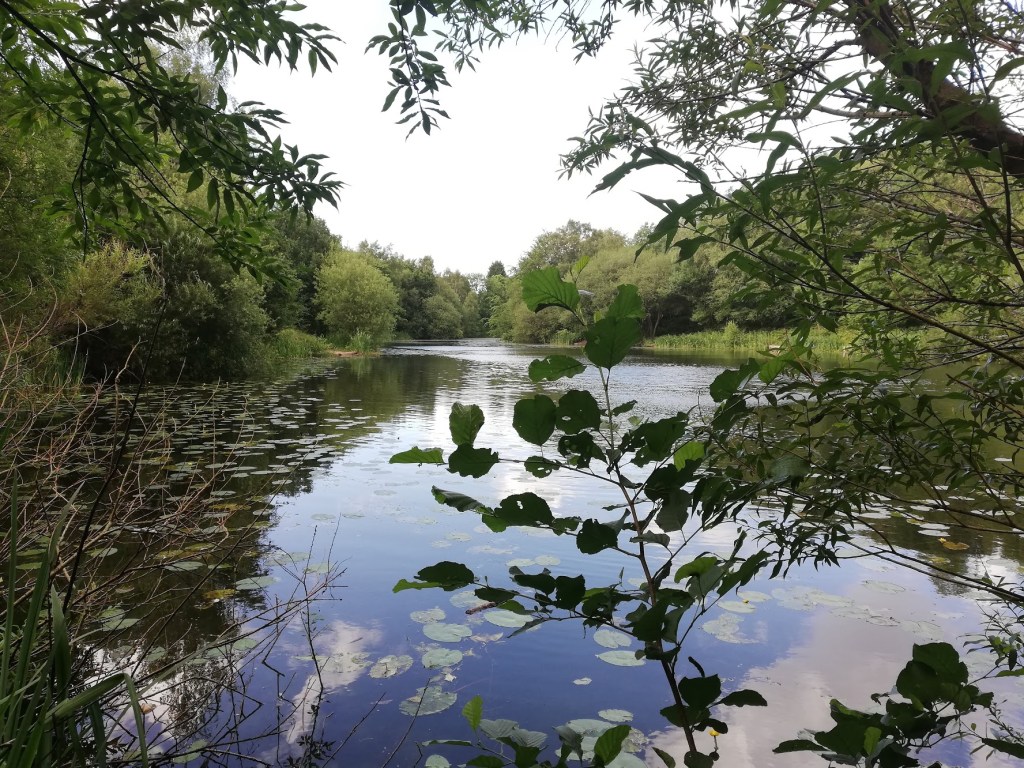
Chorlton water park
Chorlton water park and the adjoining Kenworthy Woods are truly lovely spots for an invigorating jog, cycle (the TransPennine trail runs through it), or if (like me) you are more sedate in nature, a restorative stroll, stopping to admire the regal swan families that inhabit the central lake.
As Manchester’s very first designated nature reserve it is a haven for local wildlife and invaluable to the ecosystem of the Mersey Valley. Bird enthusiasts can hope to see herons, kingfishers, gold finches, and many many more. You will also very likely see a fair few members of Manchester’s surprisingly numerous, and quite frankly incongruous, ring-necked parakeet population. These exotic birds, native to Australia, and thought to be the descendants of escaped pets, are doing remarkably well in our grey climes and can be spotted in many of the cities parks.
Mammal life includes bats, stoats, weasels, the occasional otter (!), and of course, many, many precious pooches. I have even heard tell of people walking cats there, like Sura from the Bake Off! Sounds like classic Chorlton behaviour and I for one am in favour.
At a sizable 170 acres, criss crossed with a network of winding paths, the park is great if you fancy a bit of a longer walk, and when deep in the woods it’s possible to really forget you are in a major city.

Autumn craft tip
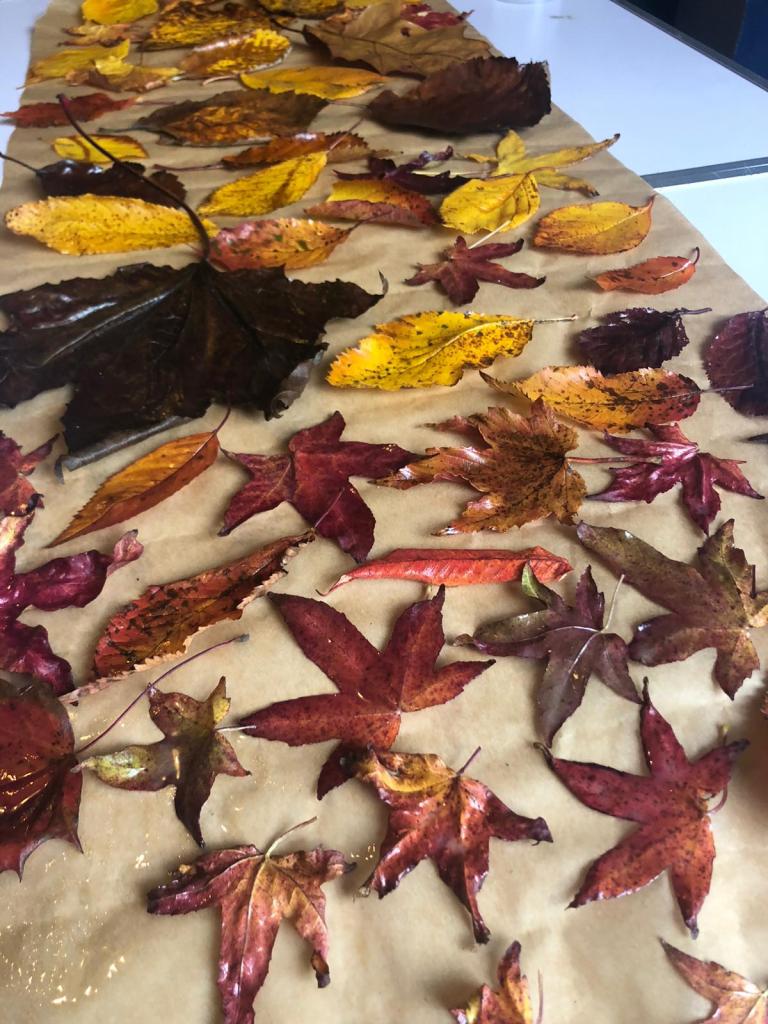
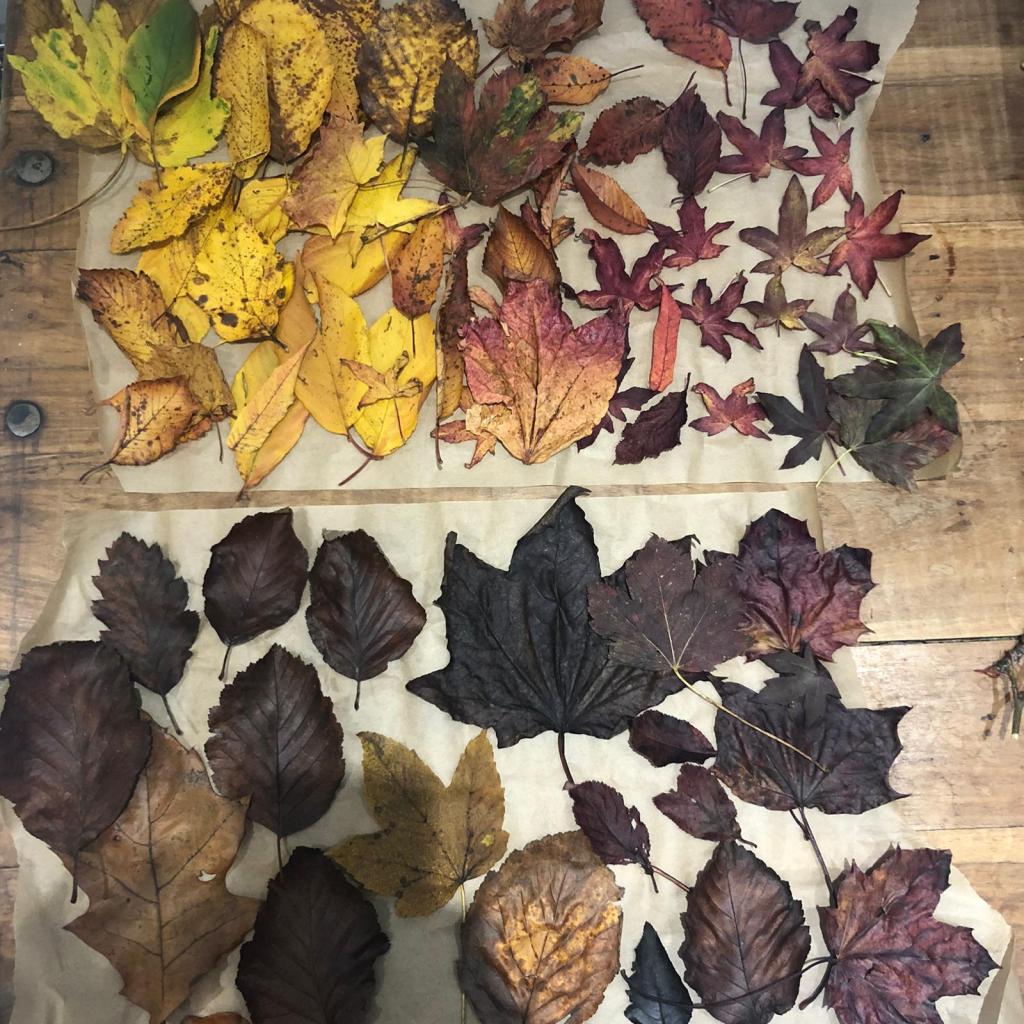
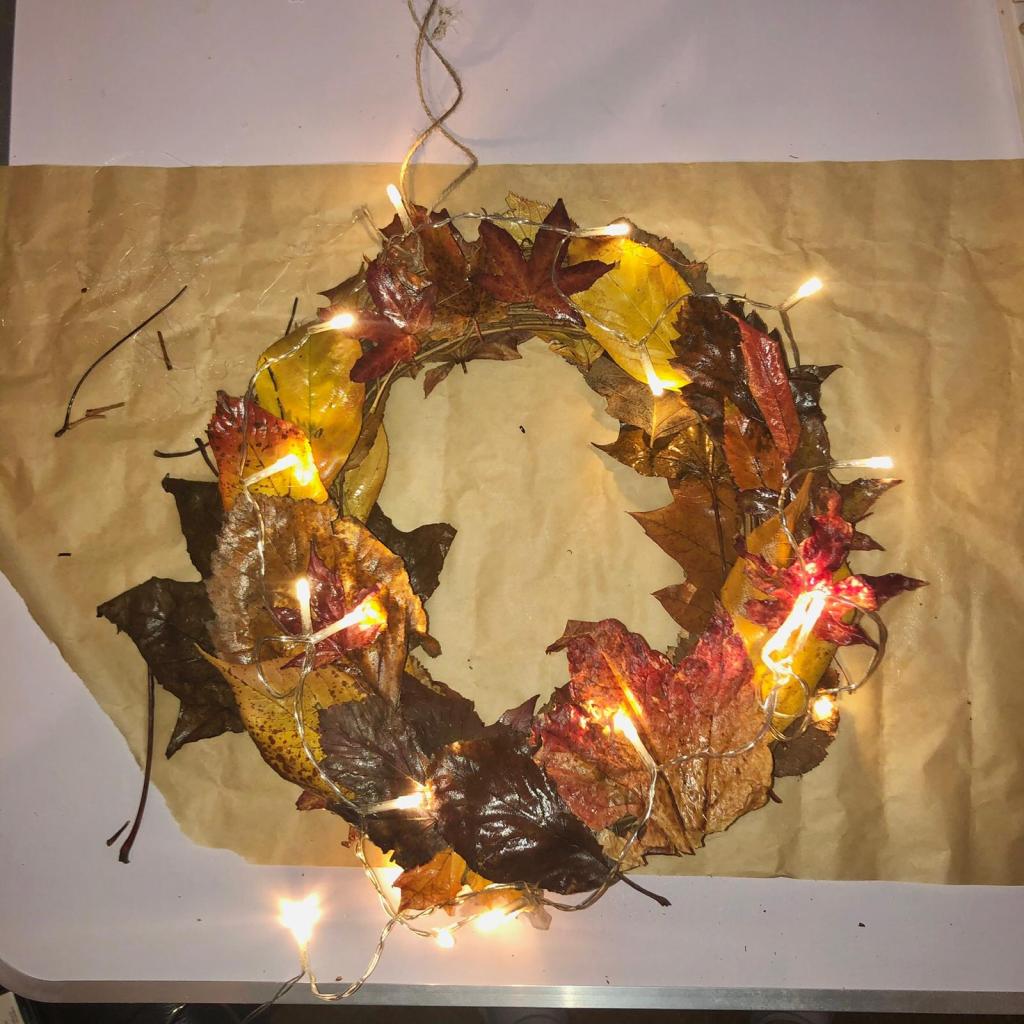
Why not collect any particularly spectacularly-hued fallen leaves whilst on your walks and make them into a fetching seasonal wreath like our editor Laura has done!
Discover more from Research Hive
Subscribe to get the latest posts sent to your email.
 Research Hive
One thought on “Autumn nature walks in Manchester to beat the lockdown blues”