- Two-year-long Ebola outbreak ends at last
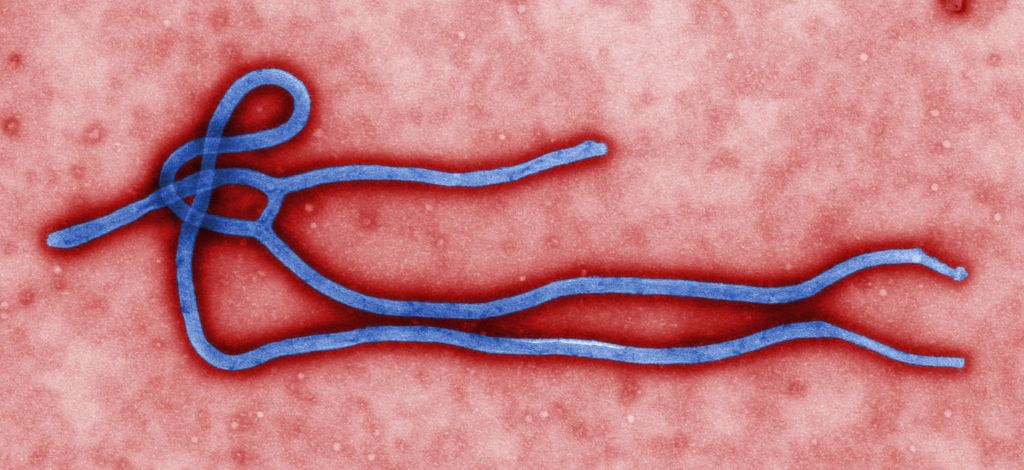
Whilst the world has been focused on one viral disease, another has been steadily brought under control. This July the World Health Organisation (WHO) announced that the second-largest Ebola outbreak in history, one that began in August 2018 and claimed 2299 lives, was finally over. Taking place in the Democratic Republic of the Congo (DRC), this outbreak was particularly difficult to tackle, as it was, and still is, an active conflict zone. However a combination of community engagement, hard work from frontline workers (including almost 1600 epidemiologists, logisticians, anthropologists, field coordinators and other specialists), and a highly effective vaccine was able to successfully quash the virus. This was a huge win for science as well as international collaboration, and given our current situation this evidence of the saving power of vaccination programmes, even for a disease as deadly as Ebola, is certainly heartening.
2. CRISPR-Cas9 is used for the first time within a human body
If you missed this breakthrough study you can be forgiven, given it happened in March when we all had rather a lot on our plates. In any other year it would have been big news however! This was the BRILLIANCE trial, in which the remarkable gene-editing tool CRISPR was used for the first time in vivo. Previous gene editing in humans has involved modifying the genetic material once it had been taken out of the body, but in this clinical trial genes were edited within patients, via an injection. In this case it was used to repair mutations in the CEP290 gene which cause a rare form of inherited blindness called Leber congenital amaurosis type 10 (or LCA10 for short). People who suffer from this condition are either born blind or become blind as children, and until now there has been no treatment or cure. These repairs, which involve effectively cutting out the damaging mutation, will hopefully restore vision and should be permanent. With the trial still ongoing there are no published results as yet, but if effective the ability to gene-edit inside the human body will be truly revolutionary, and could offer hope to sufferers of many other diseases.
According to Cynthia Collins, President and CEO of Editas Medicine, “This dosing is a truly historic event – for science, for medicine, and most importantly for people living with this eye disease”.
3. Lab grown meat becomes a reality
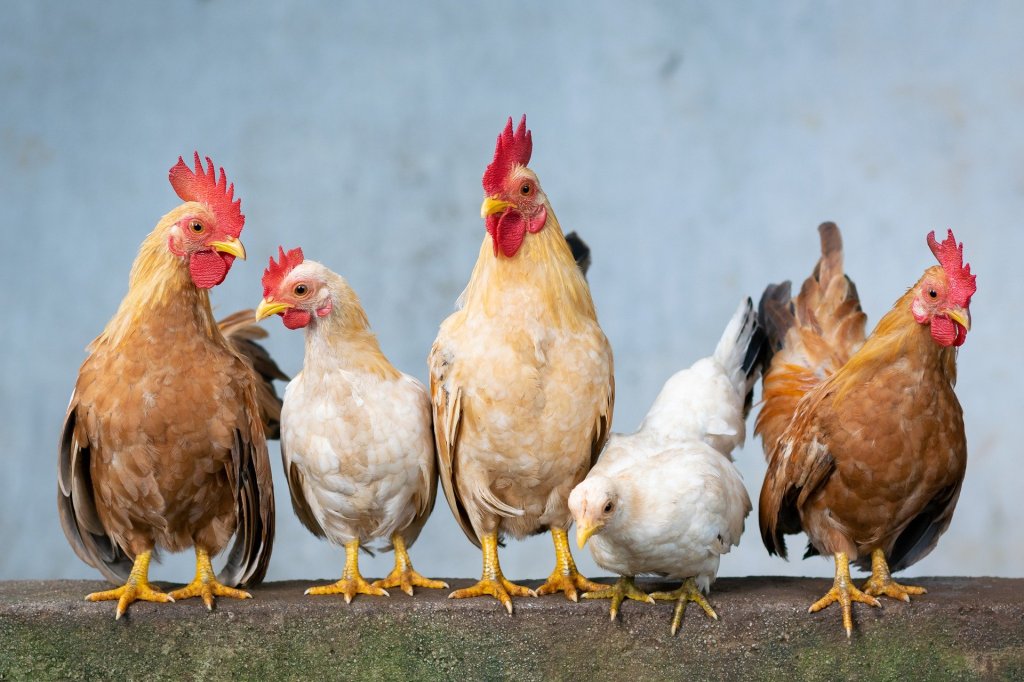
I know it’s been a pretty momentous year all-told, but perhaps 2020 will also become known as the year we made our first steps into the future of food. For this is the year that no-kill, lab-grown “cultured meat” was first approved for sale. “Chicken bites” grown from the cells of live chickens (in a 1,200-litre bioreactor) and requiring no slaughter have been produced by US company Eat Just, and have passed a safety review by the Singapore Food Agency.
Though this may seem a niche concept for now, and given it’s high production costs, will have a fairly exclusive market, it doesn’t take too much imagination to see this becoming a much bigger thing before too long. After all, veganism and the demand for meat substitutes have skyrocketed in recent years, so it is easy to imagine that lab grown meat could become an attractive option for those that love the taste, but not the environmental and ethical impacts of meat-consumption. Remember how well those Greggs vegan sausage rolls did!? The market is surely already out there and waiting. Now that approval has been granted, what is now needed is for production to be scaled up, so that prices can come down. And then? Perhaps we will soon see it on our supermarket shelves.
4. AI solves a protein problem
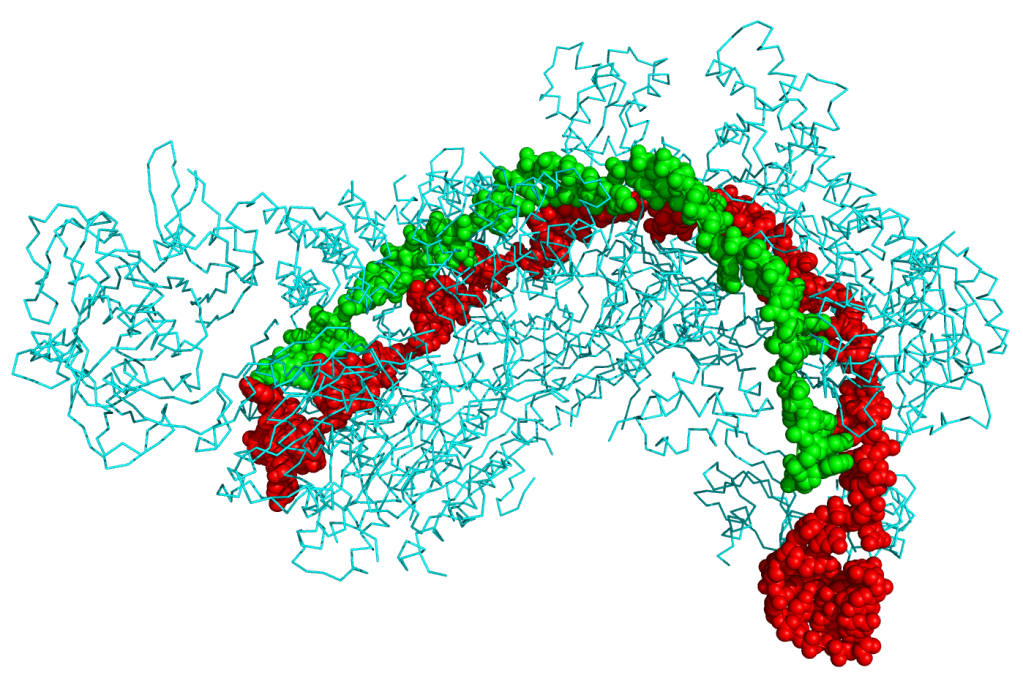
The ability to accurately predict the 3D structure of proteins from their constituent amino acid sequences has eluded scientists for decades, but this year the problem has been effectively solved – through the application of Artificial Intelligence (AI). A team from the Google-offshoot Deep Mind has developed an AI programme called AlphaFold which has been described as a ‘game-changer’ in the field of molecular biology. The programme went head-to-head with 100 other teams and out-performed them all. In fact it performed so extraordinarily well that some of it’s predictions were indistinguishable from those determined using the ‘gold-standard’ experimental techniques of X-ray crystallography and cryo-electron microscopy.
“This will change medicine. It will change research. It will change bioengineering. It will change everything,” said Andrei Lupas, an evolutionary biologist at the Max Planck Institute for Developmental Biology.

5. Burping Betelgeuse
Betelgeuse- located on Orion’s right shoulder- is conspicuous as one of the most luminous stars in our night sky. But in October 2019 something strange and unexpected began to happen – it got dimmer, then dimmer still. Although normally a star with variable brightness, this dramatic change, wherein it lost more than two-thirds of its usual brilliance, was unprecedented and perplexed astronomers. It led to speculation, and much excitement, that this was an indication that the supergiant star was on its way out and that a massive supernova was on the cards. However, in August 2020, NASA announced that there was a much less sensational, but perhaps funnier explanation. Betelgeuse had effectively burped. Observations from the hubble telescope revealed that the star had ejected a jet of superhot plasma into space, and that this had formed a cloud as it cooled, blocking much of the light from its surface. Mystery solved!

6. The coral reef as tall as a skyscraper
We’ve all heard the saying ‘we know more about the surface of the moon than we do about our oceans’, but discoveries like this really hammer it home. In October a team of Australian scientists, from the Schmidt Ocean Institute, busy mapping the ocean near the Great Barrier Reef stumbled across a truly impressive sight – a veritable skyscraper of coral, towering more than 500m above the seafloor. This newly discovered detached reef is taller than the Empire State Building and is the first of it’s kind to be discovered on over 120 years. A true indication that there are still mysterious worlds yet to be explored right here on earth.

7. Wonderchicken!
This was also a big year for paleontology, with the discovery of the oldest “modern bird” known to science. The near-complete fossilised skull of Asteriornis maastrichtensis, affectionately nicknamed ‘Wonderchicken’, was found in Belgium, and is thought to date from the late Cretaceous period, between 66.8 and 66.7 million years ago. It fills a real gap in the fossil record and our knowledge regarding the origins of modern birds, and gives insights into what features allowed birds to survive the extinction event that wiped out the dinosaurs. One important thing that the fossil has told researchers so far is that early birds arrived on the scene shortly before the asteroid impact, and that only the earliest branches of the bird family tree had arisen by the time it struck. In terms of what the bird most resembled, the researchers say it would have been something in-between a chicken and a duck – hence the nickname.

8. The return of Tasmanian Devils
For the first time in 3000 years tasmanian devils are back, wild, on the mainland of Australia. The reason these devilishly cute marsupials have been away so long is due to out-competition by dingoes, which were introduced to Australia by early seafarers. Unable to match the pack-hunting dingoes, Tasmanian devil populations were pushed out until only relic populations persisted on the Island of Tasmania, where dingoes never reached. Recently they have not fared much better there either, due to a contagious and fatal cancer known as Devil Facial Tumour Disease (DFTD) (the only known contagious cancer), which has decimated up to 90% of those left. Just 25,000 Tasmanian Devils are now left in the wild and they are classed as endangered. This is why conservation charity AussieArk set up a captive breeding programme and have now successfully released 26 Tasmanian into a 400-hectare wild sanctuary in New South Wales. It is hoped that these individuals, plus an additional 40 due to be released in the next two years, will breed and be the precursors to a self-sustaining wild population. This rewilding should benefit the native wildlife of New South Wales, as well as the devils themselves, as apex predators they should help to control feral cats and foxes which threaten other endangered species.

9. Oldest Homo erectus skull is found
This year Homo erectus got a little older, 150,000 to 200,000 years older than previously thought in fact. This is due to a skull extracted from the rocks of a quarry near Johannesburg, South Africa. The skull, thought to belong to a young child, has been dated to some 2 million years old, making it the oldest Homo erectus fossil ever found. It is also the first Homo erectus to be found in southern Africa. Up until this find some theorised that the ancient human species originated in Asia, but this now seems very unlikely. Although this find does not necessarily mean that it originated in southern Africa, it is significant in that it rules out an ‘outside Africa’ origin story, and pushes the age of the species back much further than was previously known, and thus helps to further make sense of our tangled human family tree.

10. ‘Plastic eating’ enzyme offers hope for pollution problem
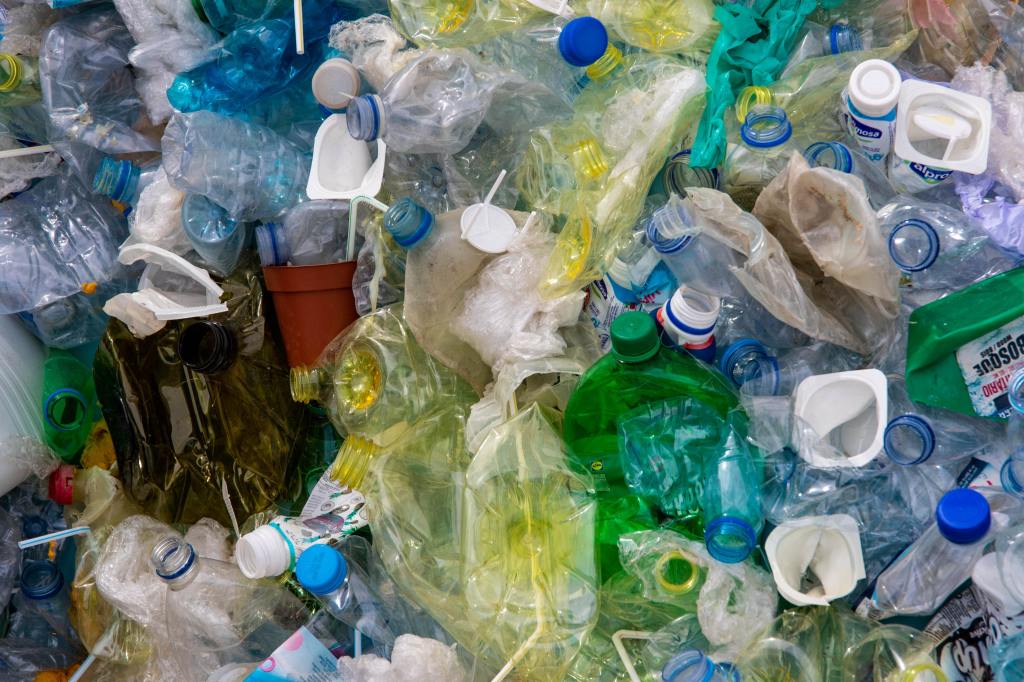
In the past few years there has been a lot of talk about our planet’s plastic problem – images of plastic bags and bottles strewn across beaches and choking sealife have become upsettingly prevalent. However an ‘invention’ dreamed up this year may offer a glimmer of hope and a potential solution. Researchers at the Center for Enzyme Innovation in the UK and the National Renewable Energy Laboratory in Colorado have engineered “super-enzymes” which break-down one of the most common forms of plastic, polyethylene terephthalate (PET) back into its chemical components. PET is used in single-use plastic bottles as well as clothing and carpets. These enzymes, which are engineered using proteins derived from plastic-eating bacteria, are able to break down the plastic in a matter of days rather than the hundreds of years it would otherwise take, and break it right down into its chemical building blocks rather than just into harmful microplastics. It is hoped that these enzymes will eventually be used large-scale in the plastics recycling industry. Not only could this help reduce pollution, it could also reduce our reliance on fossil fuels, which are required to produce new plastics.
Discover more from Research Hive
Subscribe to get the latest posts sent to your email.
 Research Hive