
When thinking of teachers, I used to succumb to thinking about two specific typecasts:
- That discplinarian who uses the profession as an extension for their psychological torture
- The over-stressed, overworked soul that serves as a low-key inspiration for parents to abuse.
These stereotypes might spring up fond or traumatic teen memories, but one thing it did was refute the idea of teaching or being a teacher. My sister’s many stories of teaching also solidified this standpoint as an undergrad, but an inner voice nagged me about the enjoyment teaching and coaching has provided over the years. Be it in outreach programmes, junior rugby or peer mentoring, I always felt an enormous sense of wellbeing (thank you Blur).

Now, somehow nearing the end of 1st year PhD already (yikes) and sharpened by the current crisis, I’ve found pedagogy to be one of many extracurricular fulcrums for wellbeing and creative output. From writing lecture material, being a widening participation fellow and joining the Brilliant Club, this is a drastic turnaround to becoming a full-on pedagogue.
In lieu of this learning curve and December having been Give in Manchester’s wellbeing calendar, here’s a quick breakdown of all the positives that giving back your time to teaching can provide.
Giving Back
Although a cliché I first heard from an inspirational Arnold Schwarzenegger speech, it is very true: giving back time and effort not only benefits personal wellbeing, it can positively impact others around you. Empowering and inspiring the next generation can provide a sense of purpose that has been linked to a longer, happier life.

Having a crack at giving back helps build connections with others in times when this is not so easy, whilst also forging new networks in life. Sharing the knowledge you’ve garnered is also important across any career path, and so becoming versed as a giving pedagogy is likely to improve personally and professionally.
A Helping PhD Hand
On the self-serving note, designing workshops and course content over the past year has drastically improved my paltry presentational skills. The ability to translate our academic niches for a layman or junior audience supports vital skills in communication and organisation. For me in particular, learning how to develop effective visualisation and tidy layouts had remained elusive.
Now, after completing 4 weeks introducing proteomics in ancient diseases, my non-science parents assured me it looked “on fleek”. Whilst coming from a confusing place, this did give a confidence booster for any upcoming vivas, assessments and academic talks. Furthermore, explaining concepts to younger students (or bewildered parents) compliments that you truly understand and are up to date on the basis of your research field. Quality pedagogical training is always high up on the checklist for any postgraduate opportunities too, both in and outside of academia.
It’s Creative
Using the tools to deliver teaching material has also been an innovative learning curve. Completing video workshops is almost like being a one-person production team; it’s great fun to write, edit, film and star as a maestro on mucus, mummies and proteomics!
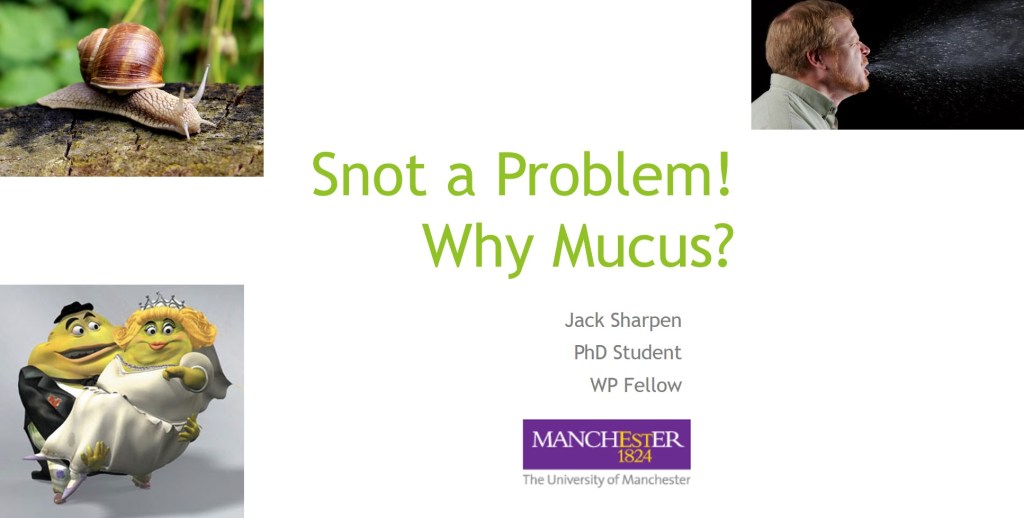
It is a great supplement to reinforce new skills, like using video editors, whilst not eating up too much time from your main postgraduate research. This creative outlet can also provide a break from PhD life, whilst having a significantly positive impact in your studies (much like writing for a certain Hive).
Financial Incentive
Finally, if you are more economical in outlook, many of these opportunities pay for your time and effort. In the University, both GTA Lab Demonstrators and Widening Participation (WP) Fellows are reimbursed for helping undergraduates and secondary school students alike.
Applying to be a Brilliant Club tutor expands this to local schools on regular paid placement of your choosing, from general primary school courses to designing your own for individual group tutorials.
How do I get into Pedagogy?
Learning the skills to become a teacher are widely available throughout the faculty and University. Check in with the SBS support office to start on the GTA training (via Canvas), whilst look out for the faculty and postgrad emails for opportunities in being a WP fellow. Head over to the Brilliant Club above for how to become a tutor in one of the uni’s partner organisations, which really lets you explore the full pedagogue potential.
If delving into full teaching seems a little daunting, there’s a variety of ways to share your knowhow in Manchester. This can range from supporting societies of your favourite hobby, cracking out the time for sports coaching and even brushing up on the core skills of how to teach.
Giving back the time to pedagogy is a perfect New Year’s past time, and one I can preferably purr over.
By Jack Sharpen (@SharpenJ)
Discover more from Research Hive
Subscribe to get the latest posts sent to your email.
 Research Hive
2 thoughts on “Giving Back and the Pluses of Pedagogy”