
By Nadine Mirza
During one of my regular perusals of updated literature in my area, I came across a paper published only a little while back. A well crafted study that was an enjoyable read and incredibly relevant to my own work.
One might say too relevant.
In fact, it was near identical to a qualitative study I had designed and have been knee deep in for the last two year. Same aims, same methods, same sample, same analysis. As if someone had peered straight into my brain, plucked my disjointed thoughts out, and done all the research in half the time. I may as well have been the first man on the moon, landing on the allegedly barren surface to find a set of footprints already walking circles around me.
My panic response was to Tweet about it whilst making five days worth of mashed potatoes.
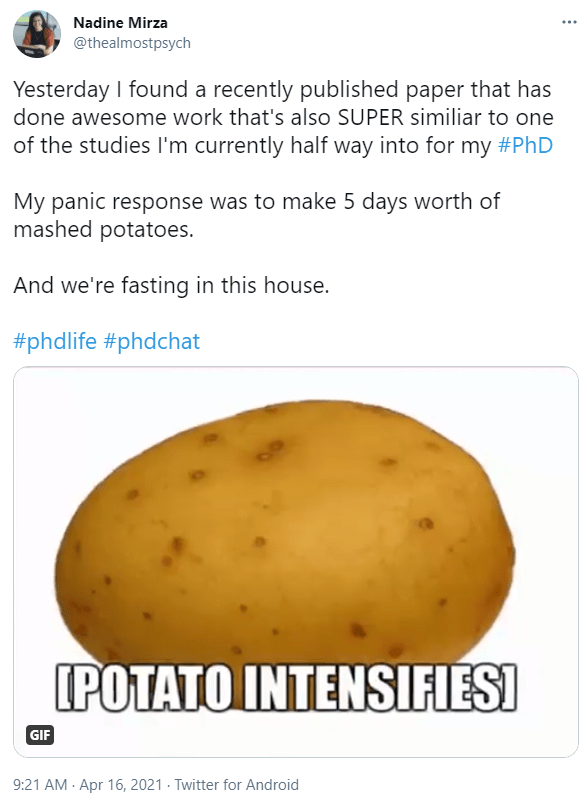
We may not start our PhDs with the expectation that ours will be the next groundbreaking, earth shattering, life saving discovery- or at least we don’t voice these expectations. But we still endeavour to produce a modicum of novel and insightful contributions to our designated patch of science. It’s our mark, leaving behind something that didn’t exist before we showed up.
But what happens when your idea is so good someone else does it first?
Does it mean you no longer have anything to leave behind? Not necessarily. Maybe you…
Flight, then Fight
You’re natural instinct is going to want to read the paper again. And again and again. Don’t.
The best thing to do after that first read is to not go anywhere near it for a few days. I was feeling disillusioned and stressed, seeing the same work I was doing in real time already in print but with absolutely zero connection to my efforts. I couldn’t approach the paper with the critical eye that was needed and I ended up feeling worse.
So I took some distance and decided to make it someone else’s problem. I sent my supervisor a copy of the paper and updated them on the situation. Us students might not be prepared for a shot like this but chances are, our supervisors are pretty used to this kind of onslaught. Mine confirmed this; they’d experienced the same thing during their PhD.
Hearing this was reassuring. The thought of this interluding paper no longer sent me back to mashed potatoes (read: panic) and that’s when I chose to sit down with it. And instead of doom scrolling through the whole thing flustered I regarded it gradually, taking my time. That helped with…
Pros and Cons
Listing the pros and cons of the study was a recommendation from my supervisor and several lovely academics who came across my Tweet. Understanding what the study did well and what fell through, and doing the same with my own research was a quick way to pin point differences between them astutely. Studies will never be clones, rather twins with differing fingerprints. No matter how small those differences, you’ll often be able to find an accumulation of them that will matter to examiners. Whether that be differences in your sample characteristics, catchment area, or method of analysis, every little difference will matter.

Being aware of the pros and cons of the published study will also show you where your study is or could do better. They’re already published so they’re set in stone. But your study could still have the potential to be adjusted if needed and you can used the published paper as a basis to inform your design and methods.
Stepping Stones
We grow territorial over our work, which often a very specific and niche area of research, so tiny we may feel there’s no room for anyone else. Seeing your exact methods and findings elsewhere, while daunting, might also spark a sense of competition. But try not to think of such published work as a competitor in parallel with you; think of it as a stepping stone in your area, with this paper simply adding another step to your own work.
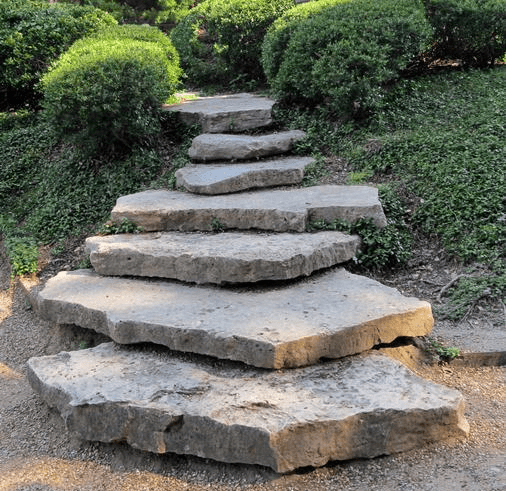
Gravel stone stones ground garden path
From a writing perspective, it is further evidence to provide in your literature review and its references will also contrbute to yours. It is proof of the demand for your work in the scientific realm. From a findings scope it could be something to compare your own results against, and allows for critical reflection in a discussion section of the thesis, linking back not only to those pros and cons but also how your work might actually build upon what this paper has done.
Turn your competitor into an asset.
Age of Replication
We might question the relevance of two essentially duplicate studies in an academic world that demands original research. Academic can be cut throat with scientists isolating to produce the next creative brainchild. But we are in a new age- the age of replication.
The very lack of studies not being replicated has been deemed a crisis. It prevents us from generalising the results of otherwise well designed and potentially prominent studies to diverse populations, various situations and overarching time periods. Replication is deemed a “hallmark of science” that allows us to separate one-off outliers from reliable and valid findings and has been used to dispel myths perpetuated by studies only conducted once with limited groups.
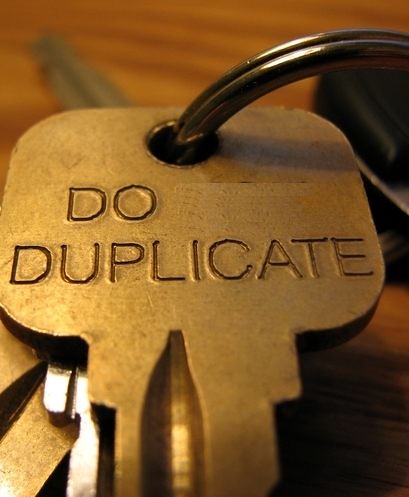
So if your study already exists in print you can double down on it with your own work and solidify its legitimacy.
Guarding
Seeing our work wrapped up and slapped on someone else’s manuscript may not make us question the worth of the research (it’s been published so we were probably on the right track!) but it may make us question ourself: would my work be considered plagiarism now? Could examiners accuse me of lack of originality? Is this even worth publishing anymore? Am I no longer contributing to the area?
We have to remember, we cannot guard against other researchers conducting the same work we are, especially if we’re involved in popular and topical research. It’s why we have four different COVID vaccines. Our supervisors, exmainers, editor, and the greater scientific world acknowledges this and, contrary to popular belief, will be understanding.
Supervisors will have been there and will appreciate you being on top of the latest publications in your field and keeping them looped in if this happens. Examiners won’t disregard your for originality if you discuss the paper in your thesis and break it down critically as mentioned. Editors cannot accuse you of plagiarism nor discount the merit of your work if you explain how it connect to the paper, either through replication or even improvement.
The crucial thing is that we acknowledge it instead of sticking our head in the sand or our face in mashed potatoes.
Discover more from Research Hive
Subscribe to get the latest posts sent to your email.


One thought on “When your research is so good someone else does it first”