Author: Dalia Aziz // Editor: Erin Pallott
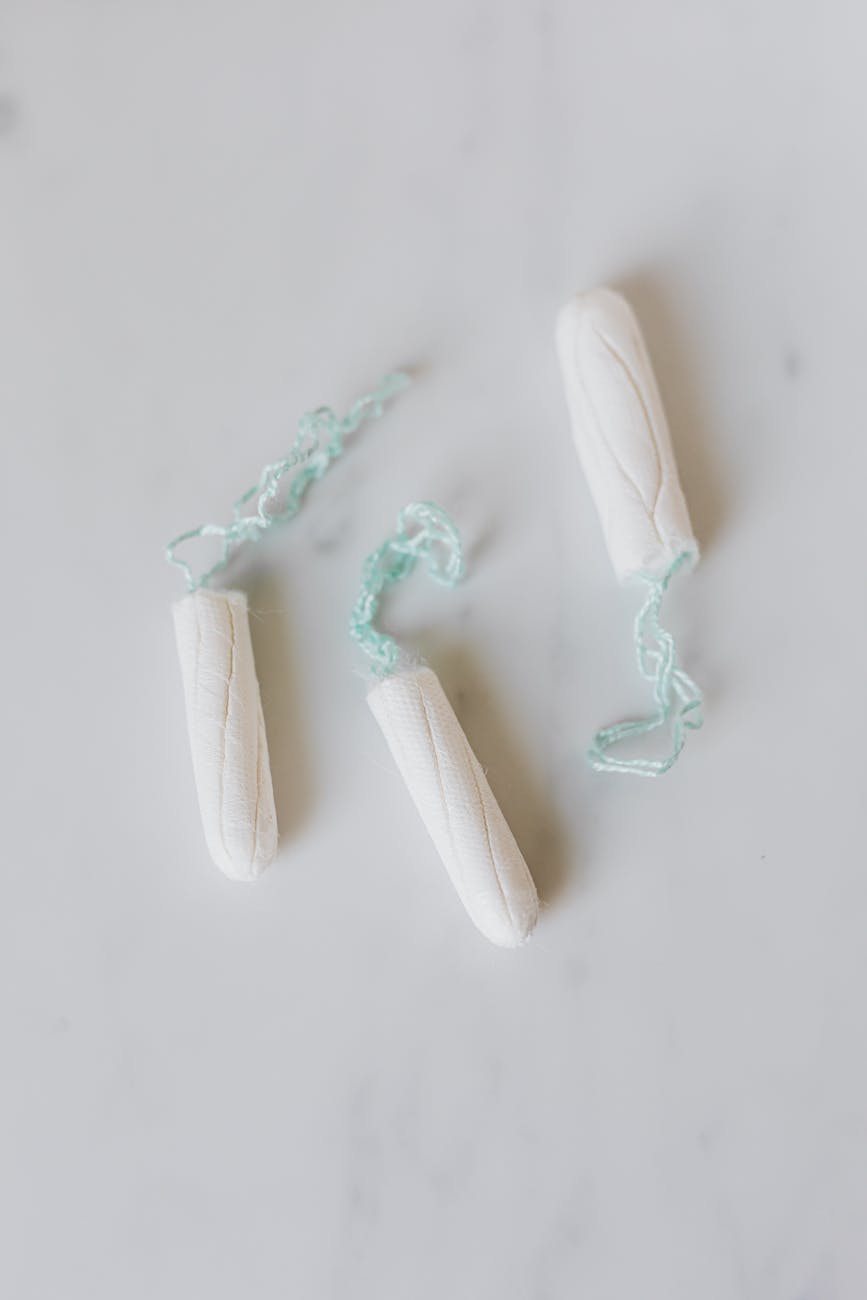
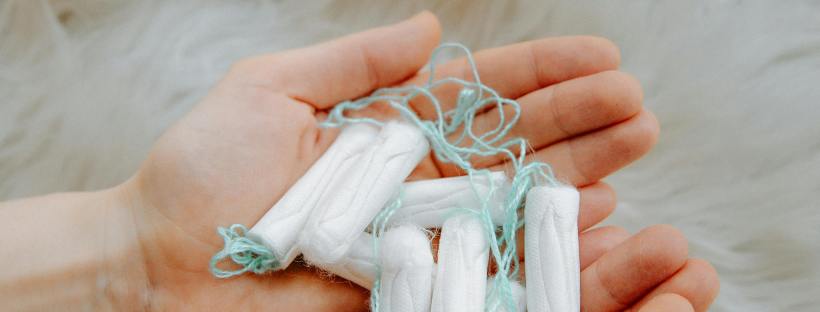
If you’ve been on social media recently, you may have heard widespread concern about metals in tampons, based on the 2024 study by a group from the University of California, Berkeley. The detection of 16 different metals raised alarms among consumers, who are now questioning the potential health risks for women and the oversight of product safety in the feminine hygiene industry. Especially as tampons are used globally and are an essential monthly item for women. This study is the first of its kind to quantify metal concentrations in tampons, of which it revealed several toxic metals, igniting vital discussions around women’s health, product safety and gender bias in manufacturing regulations.
Although these results may seem alarming, this article aims to critically examine the viral study, and pick apart exactly what we can and can’t take from it. The concentrations of these metals varied and may not pose significant health risks that are being propagated by opinions on social media. Additionally, there are potential caveats to the study that question its scope and conclusions, which mustn’t be ignored. However, the study does serve as an example that the public needs to adopt a more critical approach to science beyond the buzz of headlines.
What concentrations of metals were found?
The metals that were deemed the most worrying included: lead, cadmium, vanadium, arsenic, chromium, and mercury. All these metals pose a potential risk to human health due to their toxicity and carcinogenic effects. In particular, the most public uproar has been about lead, as there is no considered safe level of exposure due to its neurotoxic effects. As well as arsenic which is well known to be fatal in large quantities. Although these metals sound alarming, they were found in considerably small quantities in the sample. In fact, chromium and mercury were found in such small amounts that they couldn’t be detected accurately. Researchers can quantify metals in tampons by using a method detection limit, which is a standardised limit in which the lowest concentration of the metal can be reliably measured by the chosen methodology. Chromium and mercury were undetectable in 91.7% and 90% of samples, respectively, indicating that the study cannot provide reliable measurements for these two metals. As such, these findings indicate that fears surrounding these metals may be unwarranted. Moreover, the study’s claim of ‘measurable concentrations of all 16 metals’ is clever wordplay by the authors that may unnecessarily alarm readers.
Are all metals bad? Well, no…
Not all metals are created equal. Of the 16 metals that were found, calcium, cobalt, chromium, copper, iron, manganese, nickel, selenium, and zinc are considered essential metals that are utilised in various cellular functions. In fact, these metals are so essential that a deficiency can cause diseases or syndromes. The highest concentrations of metals found in the tampons were zinc, calcium, and iron, which does not mean that they are explicitly bad or have the potential to induce toxicity.
So how much is too much?
That being said, there is a fine line regarding metals as it is true that excessive amounts can induce toxic effects such as heavy metal poisoning. It is hard to determine if their presence, even in trace quantities, is safe or not. Organisational bodies have established standardised exposure levels for workplace and regulatory compliance, typically covering airborne, water, and food-related exposure. However, it is hard to compare these standards as there is fear that the absorbency of such metals and chemicals may be increased due to the mucosal nature of the vagina compared to the skin, which is a greatly understudied area. The vagina is made up of the outermost mucosa layer, which comprises an epithelial layer and an innermost lamina propria, which is permeable to chemicals and has a great surface area. Especially as tampons can be worn up to 8 hours at a time, there is concern that this could increase the exposure of the metals.
Organic, branded, location: Does it make a difference?
As education surrounding environmental sustainability and personal health has grown in recent years, there has been a shift in consumer demand for healthier, economical, and more sustainable products. The study examined factors influencing consumer choices for menstrual products, such as organic certification, product origin, and branding.
When comparing the origin of the tampon, they found that tampons that were purchased in the EU/UK had a median lower concentration of cadmium, cobalt and lead compared to those purchased in the US. When it comes to whether having a branded product is better, the study found that median concentrations of copper, nickel, and selenium were higher in store-brand tampons compared to name-brand tampons. These results could reflect that regulation may be more stringent in the UK/EU compared to the US, or that raw materials may be collected from safer sources or screened more thoroughly, producing less contamination. Elevated metal concentrations in store-branded tampons, also may infer that sources of metals could be due to lower-cost materials and cost-cutting manufacturing processes.

When investigating the organic status of the tampon, they found that in organic tampons, median concentrations of barium, cadmium, cobalt, lead, and zinc were lower, whilst median concentrations of arsenic, calcium, chromium, iron, manganese, strontium, and vanadium were higher when compared to non-organic tampons. These results show how complex understanding metal origins may be. In organic tampons, elevated levels of metals including arsenic can be the result of cotton farming practices or the environment. Non-organic tampons, on the other hand, often include synthetic materials such as rayon, and viscose which could be a possible source of contamination due to textile production.
Why are these metals present?
The metal concentration study did suggest the possible exposure routes of metals, such as through bioaccumulation within plants, environmental deposition, wastewater contamination, the addition of pigmenting agents, bleaching agents, pesticides, and fertilisers. It has been well established that heavy metals such as arsenic, cadmium, lead, chromium, nickel, mercury, and copper are naturally found in water reserves and soil due to erosion of rock. The use of pesticides and fertilisers, industrial contamination, and pollution increase their occurrence; but are not considered harmful when under safe exposure limits. As we’ve discussed, tampons are made from a variety of organic or non-organic materials, which influence metal concentrations and therefore may be potential sources of contamination.
The study also gave probable reasoning for such increased quantities of zinc, calcium and iron, stating that these were applied in the manufacturing stage to create a better product. The study claims that iron and manganese reduce odour, calcium, cobalt, chromium, copper, nickel, and zinc for anti-microbial protection, and calcium, strontium, and zinc for lubrication. These metals shouldn’t warrant so much concern as they are often applied to products to increase their marketability and consumer satisfaction.
So, what are menstruation products made from?
Stepping away from the findings, the study opens a broader discussion, not about metals, but the various ingredients, materials and additives being added during production and manufacturing of tampons. It begs the question; do we really need them?
A good example would be the self-proclaimed ‘nature-inspired’ brand ‘L.’ which describes its pads as ‘made with US-grown pure cotton’ and ‘without fragrances, rayon, or synthetic pesticides’. As of 2024, L has been hit with a false-advertising class action over the use of the synthetic bleaching agent titanium dioxide. Although titanium dioxide is permissible by the FDA, the European Commission banned the use of titanium dioxide as a colourant in 2022 due to possible genotoxicity in humans.
There has been previous research that found that some feminine hygiene products were found to contain possibly carcinogenic Volatile Organic Compounds which are added for fragrance, lubrication, and adhesion. It was also found that phthalates had dominant concentrations in a range of pads from several global countries, with some samples posing a carcinogenic risk. The addition of these chemicals is also thought to be due to the manufacturing process. A review explored the presence of many chemicals including the ones listed above such as dioxins, polycyclic aromatic hydrocarbons, parabens, fragrances, and flame retardants among others.
When discussing the origin of the tampons the researchers noted that although they gathered tampons from different countries, the raw material source wasn’t always clearly identified. The study noted that for some US tampons, the packaging often stated, ‘made in the USA with global ingredients’. This makes it harder for researchers to understand what possible routes these metals could have been transmitted onto the raw material but also highlights the elusive nature of the industry.
Strikingly in the US, menstrual products are classified as ‘medical devices’, which means that the ingredients of these products do not need to be disclosed to the consumer. Only recently in 2020, New York State mandated that menstrual products are transparent with their ingredients. In the UK due to the General Product Safety Regulations 2005 (GPSR) Act, there are instilled safety regulations, but it is still the responsibility of the consumer to make informed decisions. In these UK, EU, and US governing bodies, there are requirements for chemicals and contaminants testing, however, the level of analysis may vary and there are ongoing discussions in improving these areas.
Can we trust this study, and how should we interpret its implications?
Although the study itself stated it had consistent results and reliable sampling methods, there are a slew of limitations with the study. Although it was stated that ‘measurable concentrations of all 16 metals’ were identified, metals like Hg and Cr did not provide accurate quantities. Additionally, the quantities of the metals are made to seem relatively large, but in reality, they are incredibly small. Dr Andrea Love, an immunologist, posted a deep analysis of the study on her blog Immunologic and calculated that when using the reading for 120ng/g for a 2g tampon, this would give 0.00000024 grams of lead. She explicitly shows how this quantity is much lower than substances that we consume in everyday life such as water and tea. Dr Love also commented among other limitations that the variability was exceptionally high indicating that the results weren’t deemed credible, and she points out that the methodology used wasn’t representative of vaginal conditions.
Furthermore, the study only used 24 unique brands with only 30 tampons sampled, which doesn’t provide a robust representation of the many tampons on the market globally. The researchers stated that they “generally selected products that were listed as top sellers”, however, they did not disclose what brands were tested. Without this information, it’s hard to trust whether researchers did in fact choose products that are popular with women.
One of the main limitations of the study, and agreed with by Dr Love, is that the study doesn’t aim to tell us whether the metals leach out, are a risk to human health or why exactly the metals are present in the first place. This can lead to fearful media hype or dangerous assumptions made by people who are misled by bold statements.
Although somewhat sensationalised, the study highlights potential issues in the feminine hygiene industry and gaps in women’s health research. A 2023 study published in BMJ Sexual & Reproductive Health revealed that menstrual products did not absorb the marketed amount, and notably, it was the first known study to use blood when testing period product absorbency. This underscores how underrepresented and understudied women’s health is. Moving forward, more research is needed to investigate the composition of menstrual product raw materials, additive chemicals, and whether manufacturers are being transparent about product processing and marketing.
Discover more from Research Hive
Subscribe to get the latest posts sent to your email.
 Research Hive