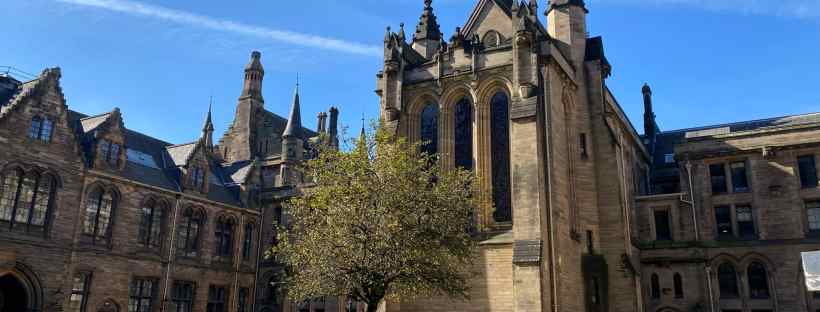
Author: Nina Wycech // Editor: Poppy Dunn
Notes:
- In the light of the Neurodivergency movement, many try to retire the medical view and call it Autism Spectrum Condition instead of Autism Spectrum Disorder (ASD).
- Many people prefer using person-first language (person with autism) when it comes to ASD. I consider Autism to be an undetachable part of my being and part of my identity, so I use identity-first language – an Autistic person. Because of that connection to identity, I write it with a capital letter. It’s best to ask or take notice of how specific people prefer to be referred to.
- Not only is autism a spectrum of different presentations, but people also have different characters. By no means do I speak for all autistic people.
- Throughout the article, I use so-called tone indicators. Like many Neurodivergent people, I often misinterpret the tone of text or speech. It can be especially hard with metaphors, sarcasm, irony or jokes, so I try to clearly mark them in the text. I recommend using them in non-verbal communication – they might help everyone avoid misunderstandings when using non-literal meaning.
Starting a new degree comes with many changes. New place, new beginning, new friends – sounds exciting? Not for everyone. Some people find accommodating to the new environment more difficult than others. It’s perhaps most intense for Autistic people, as they commonly struggle with changes.
What do I mean by that? Routines are very important for me, from smaller things like eating the same thing for breakfast every day or drinking a specific tea in a specific mug to bigger things like a repeating daily or weekly schedule. I rely more on the smaller routines, as my bonus (/light-hearted) ADHD traits make it difficult to maintain a long-term complex schedule. Moving to another city, graduating, or starting a new degree destroys my schedule. It can be compared to a wrecking ball hitting the structure, with me scrambling through the ruins after the swinging ball stops in search of individual elements to rebuild my home. It brings about an immense lack of security.
Of course, changes are not the sole source of hardship for autistic people, but describing it all would require a book, not a Research Hive article on my personal experience. For now, I’d like to describe the ways that my new University made starting a new degree easier, and what I would like to see added in the future. Perhaps the list will serve as an inspiration to other institutions. Undoubtedly, there is still space for improvement, as Autistic people are 10 times more likely to drop out.
1. Early initiation of contact – easing uncertainty
Every Autistic person can register with the Disability Service ahead of the start of their course and schedule an appointment with their advisor. It’s very comforting to plan the specific support you are going to receive before coming and to meet a friendly person who can answer your questions when you don’t know anyone yet. My advisor was also able to forward my questions to the course directors and provide me with my class size, class types (computing labs and lectures), and the sensory environment of the rooms.
However, other services were not adapted to the early release of information, such as University website log-in details, course information sheets, timetables, and financial payment plans. If you want to plan your education and finances ahead of schedule (more than a couple of weeks before), you should brace yourself for multiple emails from different departments, often unwilling to disclose anything early. The Disability Service can help in contacting them, but they can’t provide that information themselves due to the compartmentalisation of University services. Whilst it may be too difficult to provide for everyone, it would be useful for universities to have a comprehensive information sheet provided on demand to people who need it. Alternatively, the University should provide a rough roadmap of information release to ease the uncertainty and anxiety. Visual cues are also helpful for many Autistic people and can be easily utilised in this context.
2. Orientation in space – transition to a new place
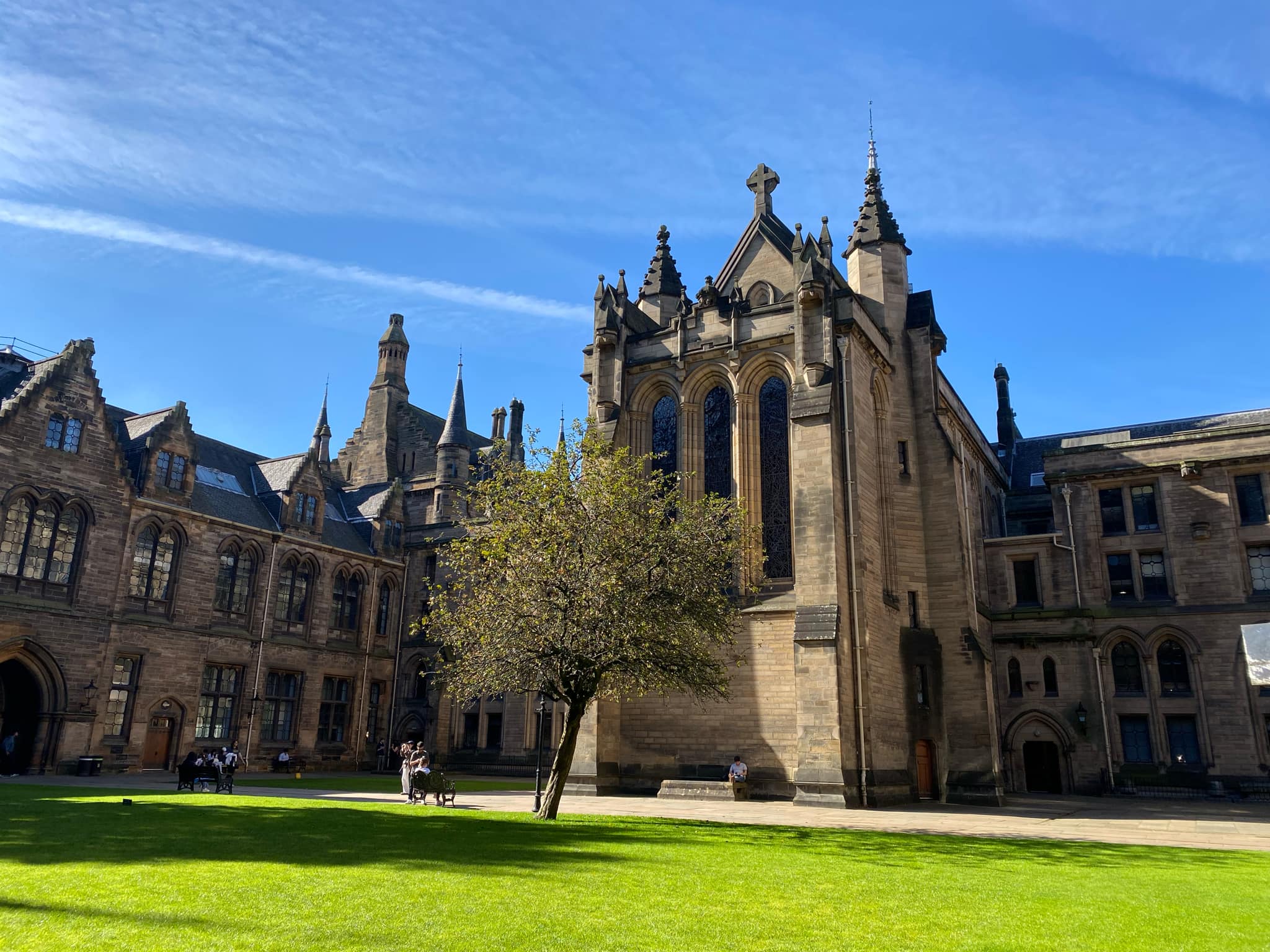
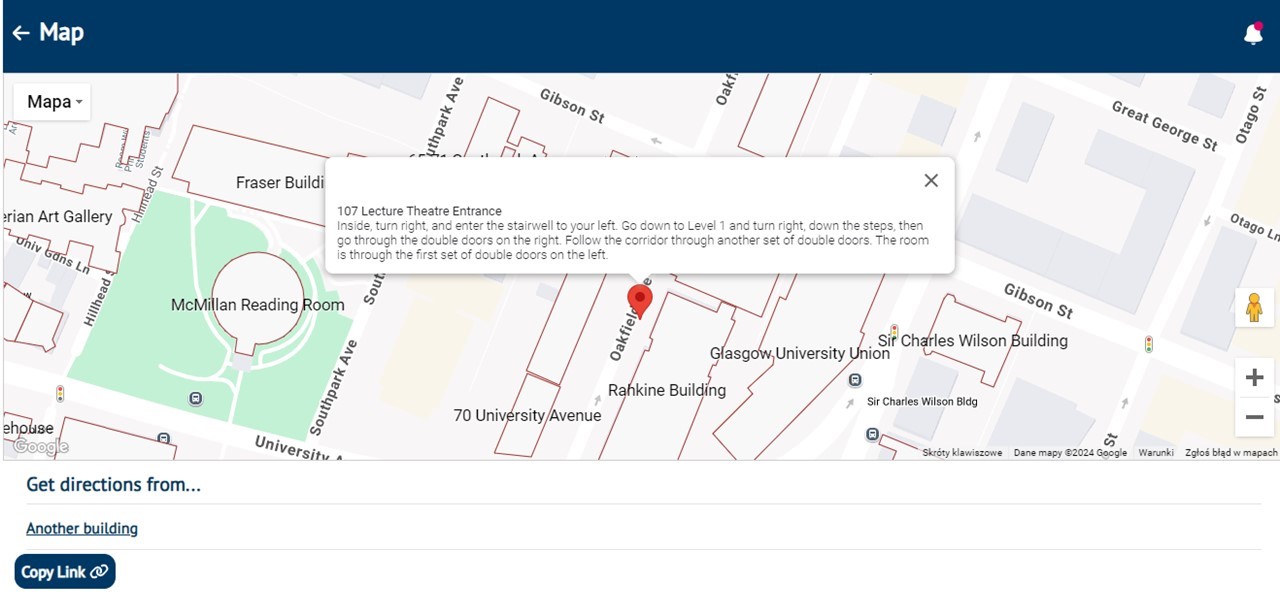
The University of Glasgow has someone specialising in working with Neurodivergent people, available to show you around the campus if needed. I think this was something that surprised me and helped me the most. The University of Glasgow campus appeared huge and complex to me; the time constraints and perpetual crowds of people in a hurry made exploring it on my own a scary adventure. Upon reaching out to Disability Services, I was shown where all my lecture halls were, how to navigate around campus, and where to find food and drink. This can also be arranged before starting the course. Moreover, the University app has a very useful feature – clicking on the location hyperlink in the timetable takes you to a map with instructions on how to find your specific room after entering the building. In a perfect world, I would also have photos of the entrance and reception, building plans with marked room numbers, and maybe even a video of the corridors. Perhaps it’s an appropriate time to mention the SafeZone app. If in need, everyone can request assistance at their location, whether lost, in a mental or physical health crisis, having a meltdown, shutdown, or other.
3. Sensory environment – too loud, too bright, too close

Autistic students struggling with noise can wear headphones or earplugs, even during classes or exams. I find complex noise majorly overstimulating, so I make use of that to manage situations such as the projector being exceptionally loud or when my classmates talk over each other. If requested, you can also receive access to the assistive technology room reserved for a small group of people, which is quiet and can have lights turned off. It’s possible that different sensory issues can be accommodated in other ways unknown to me.
4. Flexibility – for when your disability is disabling you
It’s unpredictable when I’m going to need to take a step back from my responsibilities. Functioning in a world not designed for me is draining and complicated. Sometimes, going to the University is simply unattainable. Having the possibility to acquire extensions on deadlines and accepted absences helps when I’m unable to attend. Thankfully, the lectures are recorded, a feature useful to all struggling to focus.
5. Mentoring – help with anything left unsaid
The University of Glasgow partners with the National Autistic Society, which provided me with a mentor – a lovely human who helps me with functioning at the University. It is not therapy, but a safe space nonetheless. It allows me to unwind for an hour, unmask and rest, talk about my special interest, and get some joy. They are also ready to provide advice on areas like social skills, time management, or organisation.

6. Social groups – how to be social with a social deficit
I can’t stress enough how helpful it was to meet other Autistic people at the Autistic Social Group at the University of Manchester. I could meet people who understood my experience, be a part of a group, and make friends. It felt like a safe space. Sadly, such a group is not available at my current University, though some are organised by the aforementioned National Autistic Society.
The list is not exhaustive, one can always imagine things being better. Regardless, I am immensely grateful for the support I have received. It did not make my transition into postgrad education completely unproblematic, but each thing took a little of the burden off my shoulders. Or an even better metaphor – it helped to carry it with me, making me feel accepted and validated as part of society. Did I just animate the ‘things’ in a real autistic fashion? Maybe. (/j)
Additional Resources
More on Autistic people in higher education can be read in a report from the Supporting the Mental Health of Autistic Students (SMHAS) project published last year.
If you happen to be an Autistic student at the University of Manchester, I encourage you to attend the Autistic Social Group. As far as I know, social groups in other cities are run by the National Autistic Society (many are not visible on the website), Autistic Girls Network and Scottish Autism.
If you suspect that you might be Autistic, you can find tests and wonderful resources at Embrace Autism.
Bio: Nina Wycech

Pronouns: she/her
I consider myself a collector of fun facts and interesting stories – which often come from science. I’m somewhat of a scientist myself. I graduated B.Sc. Neuroscience from UoM and I’m currently continuing my education at Glasgow doing an M.Sc. in Bioinformatics. My favourite subject is sleep & circadian rhythms, but I’ve been exploring genome sequencing extensively throughout my study.
Discover more from Research Hive
Subscribe to get the latest posts sent to your email.
 Research Hive
Well done Nina! I keep my fingers crossed for your scientific career.
LikeLike