Claudio Toledo@flickr By Nadine Mirza Forbes, Science and Nature have sung the praises of science on Twitter for years, and it’s never been easier to enhance your career with the bird app. Twitter gets a bad rep for the controversies on its platform, the most hilarious being a recent dispute instigated by the editor of … Continue reading Is a fulfilling scientific career just a Tweet away?
Category: Opportunities
An Instagram a day… Boosting the impact of your research with social media
By Nadine Mirza Where sci comm and social media meet is an intersection of opposing and loud opinions. There are academics who prefer not to engage with the public, believing it takes us away from our labs where “real science” happens. Millennials, with our filters and emojis, are a threat to serious science. And Instagram … Continue reading An Instagram a day… Boosting the impact of your research with social media
Mayday, Mayday: we’re heading for extinction. What are you going to do about it?
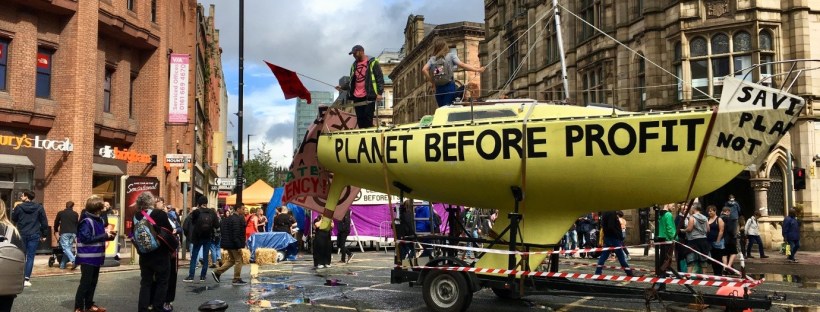
You know it is bad. You have read about the record-breaking heatwaves, wildfires and typhoons. Hurricane Dorian is yet another tragic reminder of our worsening weather systems, driven by climate change. You know the ice is melting and sea levels are rising. For years, you have been aware that species are going extinct – 200 … Continue reading Mayday, Mayday: we’re heading for extinction. What are you going to do about it?

Fighting climate change… in the lab
The urgency of the climate crisis situation has reached its peak in the last few months, with the likes of Extinction Rebellion, Greta Thunberg and David Attenborough emphasising the importance of saving our planet for future generations. Many industries and companies have reacted and responded accordingly, introducing sustainable practices and policies to cut down on … Continue reading Fighting climate change… in the lab
Research and social responsibility
Photo credit: Jessica Loveday - Planet Bee Magazine The winner of the Science Comms Essay Competition for the Doctoral Academy Graduate Society (DAGS) conference was announced in April as Sarah Harbach for her article on 'Research and social responsibility'. We caught up with Sarah and asked her a few questions about social responsibility at the University … Continue reading Research and social responsibility
Me and My Imposter Syndrome: One Year On
Almost a year has passed since I wrote a piece on my experiences of the imposter syndrome. In light of the recent media attention on the poor mental health, well-being and over-work of higher education staff and students, it feels like an appropriate time to touch base. A quick recap: imposter syndrome is a phenomenon … Continue reading Me and My Imposter Syndrome: One Year On
Life Outside of Academia: Medical Writing
The world is keen to convince us that we’ve made a terrible choice by doing a PhD: “So many research scientists, so few openings for professors” “Why doing a PhD is often a waste of time” However, these headlines and articles tend to ignore the fact that there are career options other than academic … Continue reading Life Outside of Academia: Medical Writing
The Research Hive at DAGS 2019
Last Tuesday we found ourselves winning the “Best Contribution to PGR Environment” award at the Doctoral Academy Graduate Society (DAGS) conference. It is humbling to receive such an award from the doctoral academy and to be nominated by the amazing student community. Writing about science is our way of engaging across the university, and hopefully … Continue reading The Research Hive at DAGS 2019
Student Spotlight: Rufus Daw
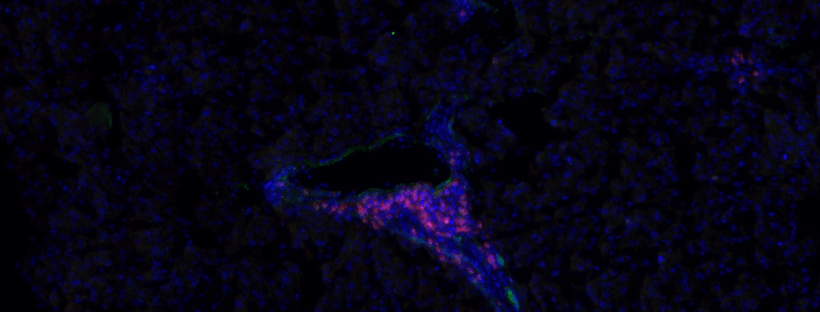
University showcases and events are wonderful opportunities for all PhD students to gain experience of making posters, giving talks, and discussing research with those from different fields. It is excellent preparation for attending and presenting at bigger external conferences. Students who really excel at these events often have their hard work recognised in the form … Continue reading Student Spotlight: Rufus Daw
Supporting public engagement
At the University of Manchester we are fortunate to have plenty of opportunities to communicate our research to the public through events that run as a regular part of our calendar. Yet, it can be daunting to think about how a research project or results can be translated into an engaging activity to suit a … Continue reading Supporting public engagement
 Research Hive