“That’s when my mental health started to get cloudy”: Becoming an expert by experience

Author: Laura Hemming Here at the University of Manchester, we aim to ensure that our research in the faculty of biology, medicine and health is in line with our social responsibility priorities. This led me to develop a patient and public involvement group to assist with my PhD research into understanding prisoner suicide and aggression. … Continue reading “That’s when my mental health started to get cloudy”: Becoming an expert by experience

Putting out the fire: Manchester leads the fight against neuroinflammation

Author: Jo Sharpe It is hard to avoid the sensational headlines popping up here, there, and everywhere: “Blocking brain inflammation 'halts Alzheimer's disease'”, “The foods that might help with dementia”, and my personal favourites “Dementia: Drinking wine can cut risk of brain inflammation” and “Turmeric health benefits: Curry spice could hold key to combating Alzheimer’s”. … Continue reading Putting out the fire: Manchester leads the fight against neuroinflammation

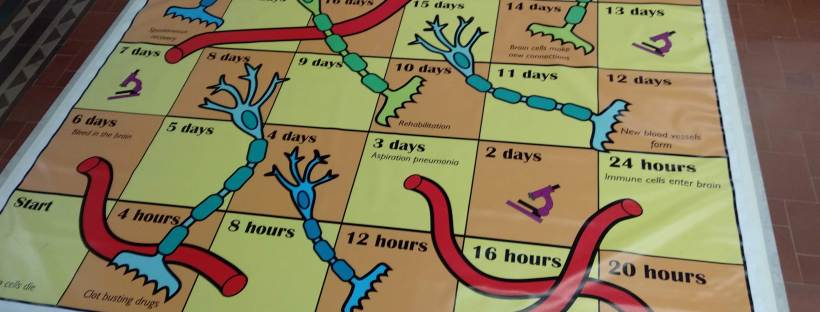
How can we limit the damage to the brain after a stroke?

Author: Paul Humphreys Stroke is the second leading cause of death worldwide and although survival rates are increasing year after year, the majority of stroke survivors live with a major disability as a result of severe brain damage. Ischemic stroke is the most common form of stroke where a blockage, or occlusion, in a blood … Continue reading How can we limit the damage to the brain after a stroke?

Can our body clock help to repair injuries or cure disease?

Author: Paul Humphreys The human body can be compared to a well-oiled machine with tissues acting as individual components that function both independently and harmoniously. However, this comparison is only apt if the hypothetical machine performs certain tasks more efficiently at certain times of day and shuts down completely if you attempt to leave it … Continue reading Can our body clock help to repair injuries or cure disease?