Author: Ishaa Sivan // Editors: Erin Pallott & Helen Whitehead
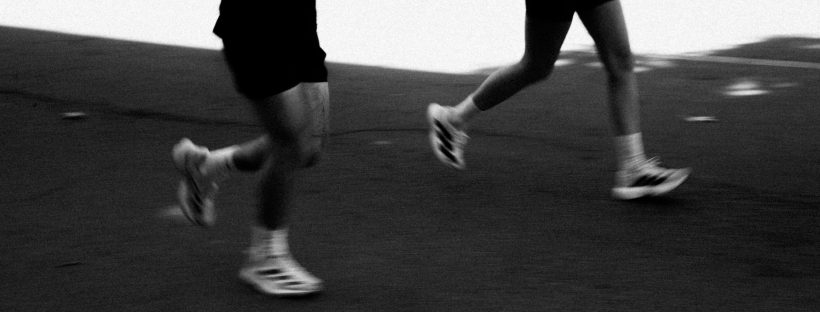
A few months ago, in May, I was walking through Hackney Wick, East London when I suddenly found myself surrounded by cheering spectators, handwritten signs, and even a few dachshunds brought out for the occasion. Only then did I realise that I had walked straight into the Hackney Half Marathon, as runners began turning the corner. “Wasn’t it just the London Marathon a few weeks ago?”, I thought to myself as DJs played outside cafés and groups gathered in coordinated run club T-shirts and bright trainers. Somewhere between the post-run beers and the endless stream of Strava screenshots appearing on Instagram stories later that evening, it became obvious that running, particularly among young millennials and early Gen Z (around 25 to 35 years old), has become far more than exercise.
In many ways, run clubs have become the social event of choice for a generation increasingly drawn towards wellness, routine, and community, where day parties and late nights are increasingly traded for early mornings and Sunday long runs instead. Judging by the numbers, the obsession with running shows little sign of slowing down. A record-breaking 1,338,544 people applied for the public ballot for the 2027 TCS London Marathon, the highest number in the event’s history. But the popularity of running extends far beyond race day itself. Across London and other major cities, run clubs have rapidly evolved into cultural spaces that blend fitness, fashion, socialising, and identity. Running is no longer just for elite athletes, for many young adults, it now feels like part of today’s modern Roaring Twenties.
The Feel-Good Side of Running
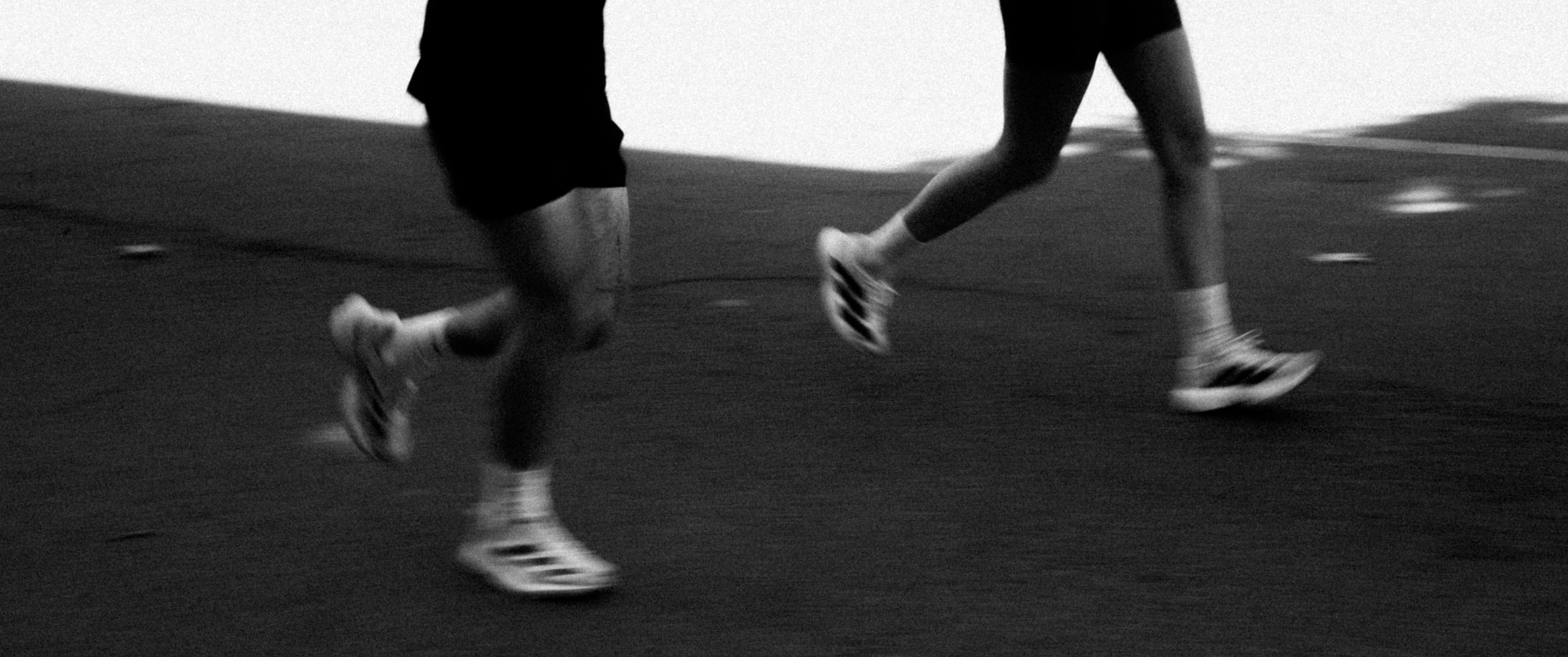
Running remains one of the popular forms of exercise available. It requires little equipment, can be done almost anywhere, and is strongly associated with improvements in cardiovascular health, sleep quality, and mental wellbeing. There is also the well-known phenomenon often referred to as the “runner’s high,” linked to the release of mood-boosting chemicals in the brain (including endorphins and endocannabinoids) during exercise that can make you feel calmer, less anxious, and even mildly euphoric.
Spending more time outdoors and in daylight has also been associated with benefits for mood regulation, circadian rhythm, and vitamin D production, adding another layer to the appeal of early morning runs and long afternoons spent outside. In an age where burnout and mental exhaustion are increasingly common conversations among younger adults, it makes sense that many are gravitating towards movement that offers both physical and psychological escape.
There is also something symbolic about the fact that so much of this movement is happening outdoors. During years of lockdowns and extended periods spent indoors during the Covid-19 pandemic, outdoor exercise became one of the few socially acceptable ways to connect with others. Even now, years later, that shift still feels visible, with Hybrid working giving people more flexibility in their routines for early morning runs, lunchtime exercise, and midweek wellness classes. The traditional boundaries between work, leisure, and social life have blurred, and run clubs appear to fit naturally into this new lifestyle structure.
With all the recent talk around social media bans, I do wonder whether being constantly online has made us realise that we need real-life connection more than ever. Especially with the loss of third spaces, from pubs to community hubs closing down at such high rates, perhaps we are becoming more disconnected, affecting our mental health in ways we do not notice. Run clubs seem to have become a modern version of the “third space”, somewhere outside of work and home where people can regularly gather, socialise, and build community. It is the kind of third space often romanticised in sitcoms like Central Perk in Friends and MacLaren’s Pub in How I Met Your Mother. For many young adults today, run clubs seem to be filling part of that gap in real life- they have quietly become one of the most socially acceptable ways to meet people offline again. In a generation increasingly exhausted by dating apps and small talk over overpriced drinks, the appeal of meeting someone naturally, while both trying to recover after a 5k, feels surprisingly refreshing. It is perhaps part of the reason run clubs now feel less like traditional fitness groups and more like the modern social scene itself.
When Running Became Cool
It would also be hard to ignore the role of aesthetics and social media in all of this. This generation is very much involved in wellness culture, and part of running’s appeal right now is that it is simply just cool. Being “a runner” has almost become an aesthetic, shaped by matching running sets, marathon training vlogs, and “what I eat in a day while training” videos. This all may seem a little superficial at first, but perhaps it is not entirely a bad thing if it encourages more people to get outside, move their bodies, and romanticise exercise as part of everyday life.
From the runway to the running track, everyone seems to want a place in run club culture. And honestly, it is easy to see why brands want in too. Sponsored group runs are not just workouts anymore; they have become a whole experience, sometimes even something people build an entire day around. Maybe that is also why running clubs are booming. They give people the chance to connect with like-minded people, socialise and feel part of a real community. DJs at starting lines, branded hydration stations, photographers documenting events, post-run recovery pop-ups, and exclusive merchandise drops are no longer unusual. Some events now resemble creative networking spaces or music events as much as traditional sports clubs. What was once simply exercise now feels deeply intertwined with fashion, music, hospitality, and contemporary lifestyle culture.
Still, beyond the aesthetics and social buzz of modern running culture, there remains something undeniably genuine about the atmosphere surrounding these events. Watching local communities gather during the Hackney Half Marathon felt surprisingly emotional at times and made me realise why this trend feels bigger than just fitness. Strangers handed out sweets and water bottles, children waved homemade signs, and entire streets came together simply to cheer on people they had never met.
Perhaps that is what makes the rise of run clubs feel so riveting. Yes, running offers obvious physical health benefits, and yes, social media has helped make it feel cool and aspirational. But I do not think the rise of run clubs is really just this! Given we are in a time where so much of life happens online, run clubs seem to fill a void in young people’s lives. It is not just about chasing a faster 5k or collecting medals, but about finding community, looking after your wellbeing, and feeling part of something bigger than yourself.
Discover more from Research Hive
Subscribe to get the latest posts sent to your email.

